

Cervical Cavity Treatment in Torrevieja
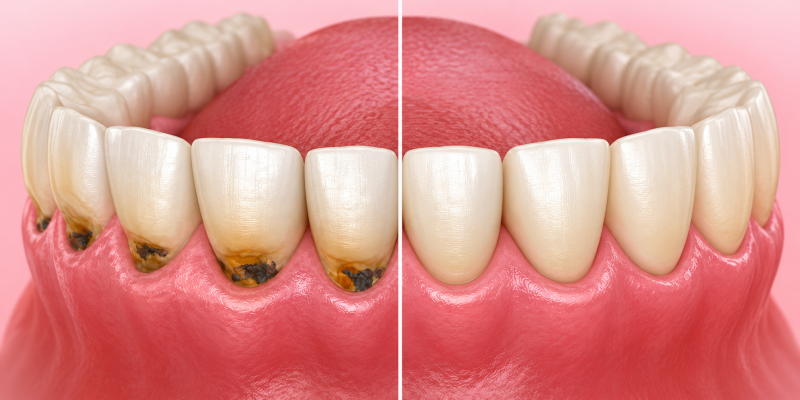
Treatment of Cervical Dental Caries in Torrevieja
Cervical dental caries occurs right at the gum line, where the tooth enamel is thinnest and hardest to clean. There is no single price for treatment — everything depends on the stage and size of the lesion — but a consultation with examination costs a fixed 30€. Treatment from 70€
Why patients choose AP-Denta
in Torrevieja and on the Costa Blanca
frequency of check-ups for early detection
for a filling at the neck of the tooth
AP-Denta is located in Torrevieja and welcomes patients from all over the Costa Blanca and the Vega Baja region, including Russian-speaking residents of the coast who value receiving a consultation in their native language.
We welcome patients from:
What cervical dental caries is
Cervical dental caries is caries that forms in the cervical third of the tooth — at the boundary between the crown and the gum. This is one of the most vulnerable zones: the enamel here is noticeably thinner than on the rest of the tooth surface, and plaque accumulates faster because cleaning this area is harder than cleaning the visible part of the crown.
Like any caries, it goes through several stages. First, a chalky spot appears — an area where the enamel loses minerals but there is no cavity yet. Then superficial caries develops, which affects only the enamel, followed by medium caries, reaching the dentin, and finally deep caries, in which the lesion may come right up to the pulp. The earlier the problem is noticed, the less tooth tissue has to be removed during treatment.
Causes
The main cause is the activity of dental plaque bacteria: by processing food remnants, they release acids that soften and destroy the enamel. At the neck of the tooth this happens more actively because this area is harder to clean with a brush, especially if touching the gum causes discomfort and the person unconsciously avoids this zone when brushing.
There are also causes not directly related to bacteria but that weaken the enamel in this very spot: brushing too intensively thins it mechanically, acidic food and drinks gradually dissolve the mineral layer, and increased load when the teeth close — for example, with bruxism — can provoke microcracks at the base of the crown. Inflamed gums, which make it hard to brush the teeth normally, also indirectly increase the risk.
Symptoms
At the chalky-spot stage and with superficial lesions there are usually no complaints — only the defect itself is noticeable: a change in color or roughness of the enamel. When caries reaches the medium or deep level, sensitivity to cold, hot, sweet, and sour appears, and if the process affects the pulp — acute, throbbing pain arises, which often intensifies at night.
Diagnostics
Since the lesion is located on a clearly visible part of the tooth, the doctor usually notices it already during a routine examination. If there is a suspicion that the caries is deeper than it appears externally, or affects the pulp, we additionally take a targeted X-ray to accurately assess the extent of the lesion before choosing a treatment method.
Treatment by stage
The treatment method depends directly on the stage the lesion is at: the earlier you start, the less invasive the intervention will be.
At the chalky-spot stage
No drilling is required. We perform remineralization — applying compositions with calcium and fluoride to the enamel, which restore its structure and stop further destruction. In some cases we also use resin infiltration using the ICON technology: it seals the affected area without drilling and without anesthesia. Before both procedures, the tooth surface is thoroughly cleaned of plaque.
At the stage of superficial and medium caries, while the pulp is not yet affected
Here a filling is already required. The procedure includes several steps: first the surface is cleaned of deposits, the shade and translucency of the material are selected so that the filling is invisible, local anesthesia is given if necessary — with a superficial lesion it is most often not needed — the tooth is isolated with a rubber dam so that saliva does not get into the cavity, the softened tissues are removed with a drill, the cavity is treated with an adhesive, and the filling material is applied in layers, curing each layer. The procedure is completed by grinding and polishing, which return the tooth to its natural shape and shine. On front teeth, several shades of material are sometimes combined so that the filling border does not stand out against the rest of the enamel.
Complications without treatment
Because of its proximity to the gum, cervical dental caries develops faster than on other parts of the tooth. If the infection reaches the pulp, nerve removal is almost always required — a procedure more lengthy and costly than a simple filling. If this too is left unattended, the inflammation can spread to the tissues around the root and, in neglected cases, lead to a purulent process. The earlier treatment is started, the more of the tooth's own tissues can be preserved.
Prevention
- brushing teeth twice a day using the modified Bass method — it is designed specifically to clean the area near the gum well without injuring it
- daily use of dental floss or interdental brushes
- avoiding pressing too hard with the brush, which wears away the enamel at the neck of the tooth instead of protecting it
- limiting acidic and sweet food between main meals
- professional hygiene twice a year — it removes plaque and tartar in places the brush cannot reach
Advantages of treatment at AP-Denta
- we accurately determine the stage of the lesion before proposing treatment, so as not to intervene more than necessary
- when the stage allows, we prefer gentle methods — remineralization and ICON — instead of filling
- we select the shade and translucency of the filling material individually, especially carefully on front teeth
- 21+ years of experience in Torrevieja and on the Costa Blanca, appointments in Spanish, English, and Russian
- free parking right by the clinic
Questions and answers
Is a white spot near the gum already caries?
It is the first sign of mineral loss, before a cavity forms. At this stage the process can be stopped without drilling — with remineralization or resin infiltration.
Is it painful to treat cervical dental caries?
At the chalky-spot stage anesthesia is not needed. With a superficial lesion it is also most often not required, because there are simply no nerve endings in the enamel; with a deeper lesion, local anesthesia is given before treatment.
Why did caries appear next to an old filling?
This happens often: fillings at the neck of the tooth bear load when the teeth close, and over time the edge of the material may come away, leaving a gap where food remnants and bacteria accumulate. That is why old fillings in this zone should be checked periodically.
Why does it occur more often on front teeth?
Plaque accumulates more noticeably on front teeth, and the enamel at the neck is thinner, but there is another reason — these teeth are the most visible, so during treatment we select the filling color especially carefully so that it does not differ from the rest of the tooth surface.
How often should I have check-ups if I have already had cervical dental caries?
We recommend an examination once every six months together with professional hygiene. If you wear braces or are prone to rapid plaque accumulation near the gum, visits are better made more often — once every three to four months.
Noticed a spot or discomfort near the gum?
The earlier we see it, the simpler the treatment. Book an appointment — at the same visit we will tell you what stage the process is at and which treatment option suits you.
Book an appointmentContact Information:
| Torrevieja, Pasaje Pais Vasco, edificio 1 local 4 | |
| +(34) 638 893 141 | |
| +(34) 638 893 141 | |
| apdenta@gmail.com | |
| Working hours: Mon - Fri: from 10:00 to 20:00 |