

Tooth Extractions in Torrevieja
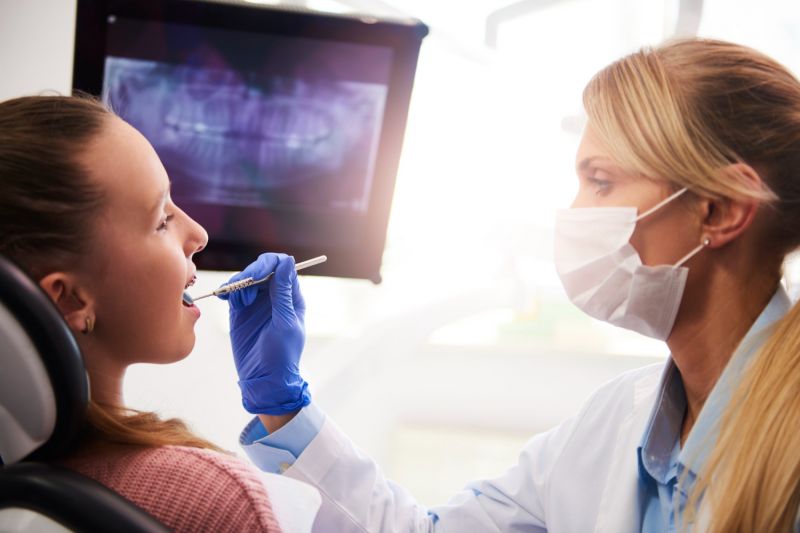
Tooth Extraction in Torrevieja
Extraction is always the last option, not the first — we check whether a tooth can be saved with a filling, a root canal, or gum treatment before we ever recommend taking it out. When none of that is possible, an extraction removes a tooth that would otherwise keep causing pain, infection, or damage to the teeth next to it.
Why patients trust AP-Denta
in Torrevieja and the Costa Blanca
for a straightforward extraction
problems before extraction is ever needed
We always use whichever approach is least invasive for the case — full details in "Simple or surgical" below. Conscious sedation is available if dental anxiety is what's holding you back.
AP-Denta serves the whole Costa Blanca, with a large number of English-speaking patients nearby. Free parking is right outside the clinic.
We welcome patients from:
When you need an extraction
We only recommend removing a tooth once the alternatives have been ruled out:
- Decay that has destroyed too much of the tooth to rebuild it with a filling or crown
- A fracture that extends below the gumline
- Advanced gum disease that has broken down the bone supporting the tooth
- An infection that hasn't responded to a root canal or other conservative treatment
- A broken, impacted, or partly erupted wisdom tooth or canine
- Creating space as part of orthodontic treatment
Simple or surgical
Simple extraction Visible tooth
For a tooth that's fully erupted and visible above the gum. Removed with forceps under local anaesthetic — no incision needed.
Surgical extraction Below the gum
For a broken, impacted, or partly erupted tooth. Needs a small incision in the gum, carried out in our operating theatre.
Wisdom tooth extraction 3D-planned
Assessed with a 3D scan first, so the position and depth of impaction are mapped out before any incision is made.
What to expect
-
Assessment
A clinical exam and X-ray — a 3D scan too, for a wisdom tooth or a complex case — to confirm the tooth can't be saved.
-
Antibiotics first, if needed
An active infection is brought under control before the procedure, for safety.
-
Local anaesthetic
The area is numbed — you shouldn't feel pain during the extraction itself.
-
The extraction
You'll feel pressure but no pain; the tooth is removed and, for a surgical case, the gum is stitched afterwards.
-
Aftercare
Clear instructions on protecting the healing socket, plus a digital X-ray beforehand to guide the whole procedure.
Replacing the tooth
Removing a tooth leaves a gap, and left unfilled, neighbouring teeth can drift into the space over time. A bridge, a removable prosthesis, or a dental implant can replace it — which one fits best depends on the gap, the bone underneath, and what you'd rather maintain day to day. More on our dental prosthetics.
How long it takes
A rough guide — the exact time depends on the tooth and how complex the case is.
| Stage | Typical timeframe |
|---|---|
| Simple extraction | One visit, 15–20 minutes |
| Surgical extraction | One visit, usually 30–45 minutes |
| Wisdom tooth extraction | One visit after 3D planning; longer if more than one is done together |
| Initial socket healing | About 1–2 weeks |
| Full bone healing | A few months, before an implant can usually be placed |
Frequently asked questions
Does a tooth extraction hurt?
Not during the procedure — local anaesthetic numbs the area completely. Some soreness for a few days afterwards is normal and manageable with the usual painkillers.
Do I always need to replace an extracted tooth?
Not always, but leaving the gap for years can let neighbouring teeth drift and change your bite. It's worth discussing whether a bridge, a prosthesis, or an implant makes sense for that spot.
Can more than one tooth be extracted in the same visit?
Often yes, especially for multiple wisdom teeth — but it depends on your general health, how complex each extraction is, and how comfortable you'd be with a longer appointment.
Is extraction really the only option?
We check first. A tooth can often be saved with a root canal, a filling, or gum treatment — extraction only comes up once those have been ruled out.
What about a wisdom tooth that isn't causing any problems?
Not every wisdom tooth needs to come out. If it's fully erupted, well-positioned, and easy to keep clean, it can often just be monitored at your regular check-ups.
Visit us
| Address | Torrevieja, Pasaje País Vasco, edificio 1, local 4 |
| Phone | +(34) 638 893 141 |
| +(34) 638 893 141 | |
| apdenta@gmail.com | |
| Hours | Monday to Friday, 10:00–20:00, by appointment |
We welcome patients from across the Costa Blanca and the Vega Baja.
Book an appointment
Contact Information:
| Torrevieja, Pasaje Pais Vasco, edificio 1 local 4 | |
| +(34) 638 893 141 | |
| +(34) 638 893 141 | |
| apdenta@gmail.com | |
| Working hours: Mon - Fri: from 10:00 to 20:00 |