

Dental Technologies in Torrevieja
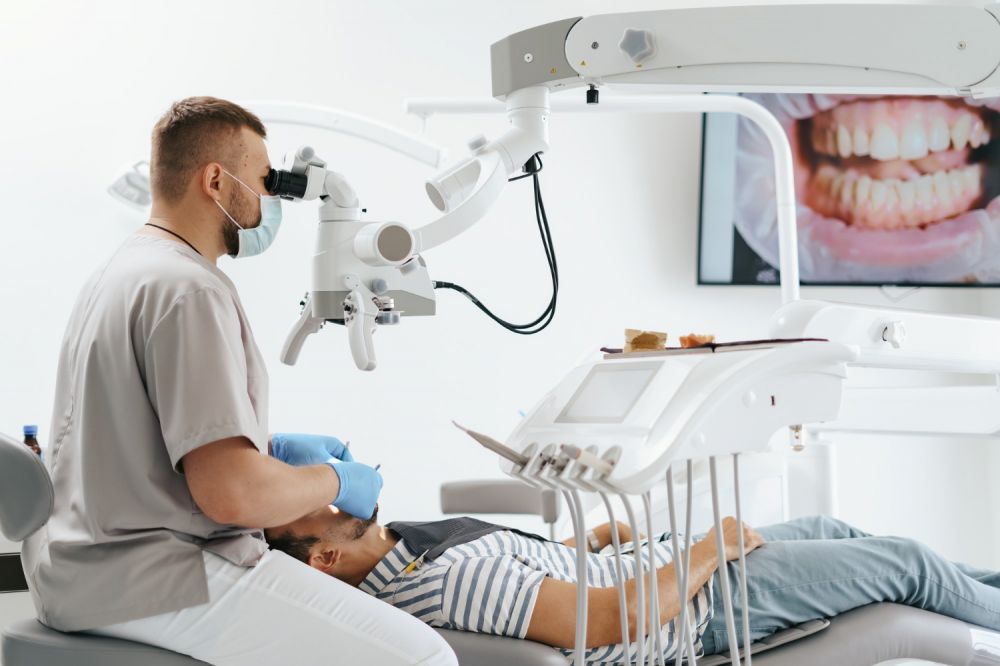
Technologies at the AP denta dental clinic in Torrevieja
Many people, especially the older generation, are afraid to visit the dentist. Their subconscious still holds memories of how dental treatment was carried out just twenty years ago. Therefore, feeling panic at the thought of dental procedures, some prefer to simply extract the damaged tooth. However, specialists claim that nearly every third tooth that has been removed could have been restored.
Nevertheless, in order to avoid the "unbearable" pain they believe tooth restoration causes, people ruthlessly extract the damaged tooth without thinking about the consequences. Meanwhile, modern technologies used in all dental clinics today have long made dental treatment quick, painless, and high-quality. Therefore, before taking the step of extracting a damaged tooth, one must think carefully and decide whether the consequences of tooth loss are worth the time that would be spent on restoration.
The world is constantly moving forward, and dentistry is advancing by leaps and bounds alongside it. Not long ago, damaged teeth were ruthlessly extracted, but today restoration is possible while fully preserving their functions. Modern dentists use the latest examination technologies, which allow them to find an individualized approach for each patient. The availability of modern materials makes it possible to restore even severely damaged teeth. Any dentist will confirm that even the best-quality prosthesis can never replace a natural tooth, so losing teeth can trigger irreversible changes in the body. The biggest issue with missing teeth is appearance. The absence of even one tooth, especially a front tooth, can spoil a person's looks more than any other facial defect. In addition, missing teeth significantly reduces the quality of chewing, which may lead to various gastrointestinal diseases. Another problem arising from tooth loss is arthritis of the temporomandibular joint. In fact, the list of diseases that develop due to the loss of one or more teeth could go on for a long time, which is why modern dentists do their best to avoid extractions and preserve dental functionality.
Most people hesitate to undergo tooth restoration because they believe the procedure is very painful. This is not the case at all! Modern technologies combined with high-quality anesthetics make dental procedures virtually painless. Moreover, current anesthetics have practically no contraindications, and their use has no negative consequences.
It is also worth noting that the days when tooth restoration was performed using amalgams and cement fillings are long gone. True, silicate cements are still used as filling materials, but due to their fragility and poor adaptation to tooth tissues, they are used as rarely as possible. Today, dentists increasingly use composite materials, which are far superior in quality to silicate cements. Currently, tooth restoration is possible using light-cured and chemically cured composites. The choice of each is determined by the dentist on an individual basis. In general, each tooth requires its own filling composition, so the dentist can only determine which material is suitable after a thorough examination. Quite often, restoration is performed using several materials applied in thin layers to the damaged area. Thanks to the use of fiberglass and metal posts, as well as various composites, tooth restoration is now possible even from a single root. In addition, it is now possible to restore the integrity of the dental arch using custom-made microprostheses. Microprostheses are ceramic or metal structures manufactured individually for each case. They are attached to the tooth root using a post. The material used for such crowns is so high-quality that only a professional dentist could tell the prosthesis from a natural tooth.
Often, tooth loss can be caused not only by tooth damage but also by gum disease. In this case, if a doctor is not consulted in time, tooth mobility may develop, and teeth can only be saved through surgical intervention.
Currently, most dental clinics practice tooth-preserving operations. Very often, dental disease begins from the inside — that is, the internal tissue of the tooth becomes inflamed, leading to certain disorders in the bone tissue. The consequences of this can include internal suppuration, the formation of gumboils (abscesses), and other problems that pose a direct threat to a person's health. A few years ago, such a problem could only be solved by tooth extraction. Today, the situation has changed. To treat an internal dental disease, it is enough to simply remove the damaged tissue while leaving the tooth in place.
Contact Information:
| Torrevieja, Pasaje Pais Vasco, edificio 1 local 4 | |
| +(34) 638 893 141 | |
| +(34) 638 893 141 | |
| apdenta@gmail.com | |
| Working hours: Mon - Fri: from 10:00 to 20:00 |