

Digital Smile Design in Torrevieja
Author: Marina Peterson, Prosthodontist at AP-Denta Published: June 27, 2026
Digital Smile Design (DSD) is a 3D modeling protocol where the future shape of the teeth is calculated on a computer and "tried on" as a temporary mock-up before treatment even begins. At the AP-Denta clinic in Torrevieja, the protocol is built on three data points: facial photographs, intraoral 3D scanning, and bite analysis. The patient sees and touches the smile prototype before a single tooth is drilled, and can request adjustments to shape, length, or color during the modeling phase.
What is Digital Smile Design
Before getting veneers or crowns, the main question for a patient is "how will this look on my face?". Digital Smile Design answers this before treatment begins: the doctor scans the teeth and photographs the face, after which specialized software calculates the shape of the future smile based on facial proportions, nose width, lip position at rest and when smiling, and gum visibility. The result is not a sketch or Photoshop edit, but a precise digital model with specific dimensions for each tooth, from which a temporary mock-up is printed for try-in.
At AP-Denta, the DSD protocol is used as a planning step before aesthetic restoration — veneers, crowns, or comprehensive prosthetics — not as a separate standalone procedure. For Russian-speaking patients from Torrevieja and other towns along the Costa Blanca coast, this is especially important: many come for a consultation on a pre-planned visit, sometimes from other parts of Spain or from abroad, and want a clear, agreed treatment plan within a limited number of visits, rather than guessing the final result after tooth preparation has already begun.

How the DSD protocol works at AP-Denta
Step 1. Photographic protocol and 3D scanning
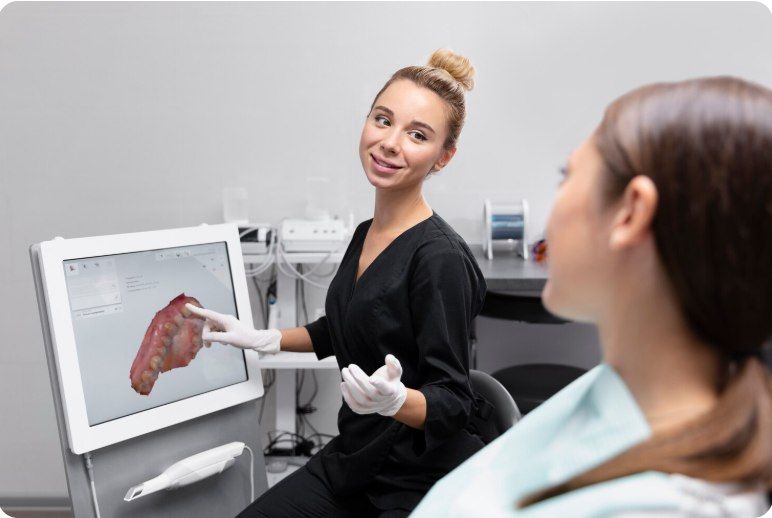
On the first visit, the doctor takes a series of facial photographs — at rest, with a wide smile, and in profile — and scans the dental arches with an intraoral scanner without impression material. The images are not just for the archive: they are used to calculate the smile line, gum visibility during speech and smiling, and symmetry relative to the facial midline. Scanning takes 3-5 minutes and replaces traditional silicone impressions, which is especially convenient during a short visit as part of a trip to the coast or for patients with a strong gag reflex.
Step 2. Digital smile modeling
The collected data is transferred to digital modeling software, where the doctor and dental technician design the shape of each tooth according to the golden ratio and the patient's individual facial proportions. This is not a generic "Hollywood smile" template, but a calculation tied to the specific face: the width of the front incisors is correlated with the nose width and interpupillary distance, while tooth length is linked to the position of the lower lip at rest. Changes to the shape, length, and position of teeth are made in real time, and the patient sees the result directly on the screen next to their photograph.
Step 3. Try-in of the temporary mock-up
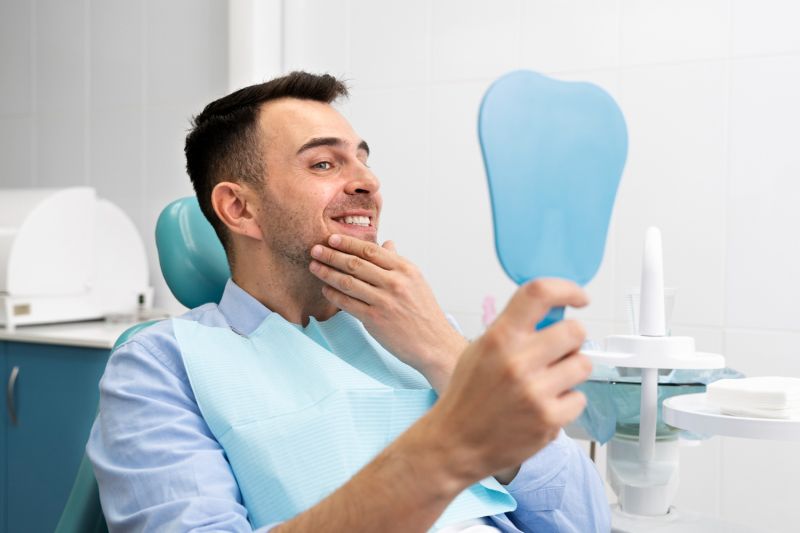
Based on the digital model, a physical mock-up is printed — a temporary plastic model that is placed over the patient's own teeth without any drilling and held in place with adhesive for a few hours. The patient can look at their new smile in the mirror, take photos with it, and assess any discomfort during speech and biting. If the shape is not to their liking — adjustments are made to the digital model again, and a new mock-up is printed, before any irreversible preparation of the natural teeth for veneers or crowns begins.
Who is DSD suitable for — and who is it not
DSD makes sense if the patient is planning veneers, anterior crowns, comprehensive restoration after several previous unsuccessful prosthetics, or correction of visible smile asymmetry. The protocol is especially useful for those making decisions from a distance or coming to Torrevieja for a limited vacation period: the digital plan and preliminary mock-up remove most of the uncertainty even before the first visit to the chair, rather than leaving it until the final try-in of the finished work.
DSD does not replace orthodontic treatment and does not resolve bite issues — if teeth are misaligned or there are skeletal jaw discrepancies, orthodontics is considered first, and Digital Smile Design is used at the final aesthetic stage, after alignment. Also, a full photographic protocol is not necessary for a single restoration of a posterior tooth where facial aesthetics are not directly involved: in such cases, a standard intraoral scan without facial proportion analysis is sufficient.
DSD vs. traditional prosthetics: what's the difference
| Criteria | Without DSD / With DSD protocol |
|---|---|
| When the result is visible | Without DSD: only after final cementation of finished veneers or crowns. With DSD: before tooth drilling — on the digital model and physical mock-up. |
| Possibility to adjust the shape | Without DSD: requires remaking the already finished restoration. With DSD: changed in the software in minutes, without material costs. |
| Connection to facial proportions | Without DSD: assessed by the doctor "by eye" from photos or in the chair. With DSD: calculated via photographic protocol: nose width, lip line, symmetry. |
| Number of visits before preparation begins | Without DSD: usually 1 visit — preparation starts immediately after the impression. With DSD: a separate visit for photographic protocol, scan, and mock-up try-in. |
| Risk of "not recognizing yourself" in the result | Without DSD: higher — the patient relies on the doctor's verbal description. With DSD: lower — the patient saw and touched the prototype of their future smile. |
Frequently asked questions about Digital Smile Design
How many visits are needed for DSD at AP-Denta?
Usually the protocol fits into a separate diagnostic visit for photos and scan, and a second visit for the mock-up try-in — this is because the digital model and mock-up printing require time between visits. If the patient is visiting Torrevieja for a limited period, the visits can be scheduled in advance in coordination with the clinic.
Can I see the result before treatment starts?
Yes, this is the main purpose of the protocol: the digital model is shown on the screen immediately after modeling, and the physical mock-up allows you to try the future tooth shape in your mouth and see it in the mirror before the doctor begins drilling on your natural teeth.
Is the digital scanning procedure painful?
Intraoral scanning is painless and takes 3-5 minutes — it replaces traditional silicone impressions and does not trigger the gag reflex that sometimes occurs with conventional impressions.
What if I don't like the mock-up?
Adjustments are made to the digital model again, and a new mock-up is printed — this happens before tooth preparation begins, so correcting the shape at this stage does not require remaking the final restoration.
Does DSD correct the bite?
No, Digital Smile Design is a tool for aesthetic planning of tooth shape, not orthodontic treatment. In cases of significant bite discrepancies, orthodontics is considered first, and only after tooth alignment is the DSD protocol applied at the final aesthetic stage.
Contact Information:
| Torrevieja, Pasaje Pais Vasco, edificio 1 local 4 | |
| +(34) 638 893 141 | |
| +(34) 638 893 141 | |
| apdenta@gmail.com | |
| Working hours: Mon - Fri: from 10:00 to 20:00 |