

Professional Dental Hygiene in Torrevieja
Professional Dental Hygiene in Torrevieja
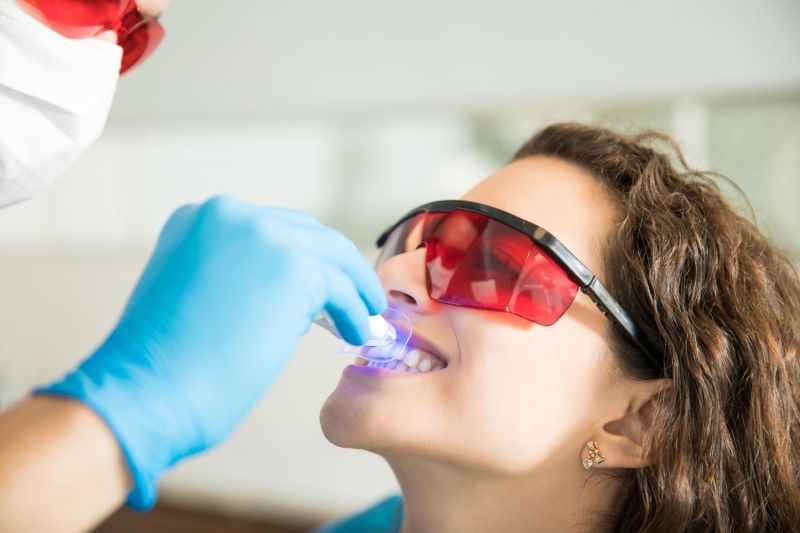
Professional dental hygiene — often called a "scale and polish" — removes the hardened plaque and tartar that a toothbrush can no longer reach, then polishes and protects the enamel underneath. It doesn't treat cavities or gum disease that's already there; it's what keeps those problems from starting, and it's the first step before most other dental treatment can safely go ahead.
Why patients trust AP-Denta
in Torrevieja and the Costa Blanca
between hygiene visits
active orthodontic treatment
Our hygienist uses ultrasonic scaling and air polishing to remove tartar and staining without damaging the enamel underneath, finishing with a fluoride treatment to leave teeth stronger than they started.
AP-Denta serves the whole Costa Blanca, and a large share of our English-speaking patients come from Orihuela Costa, La Zenia, and Ciudad Quesada. Free parking is available right outside the clinic.
We welcome patients from:
Who needs professional hygiene
Brushing twice a day cleans the surfaces you can reach — it doesn't remove plaque that has already hardened into tartar, especially between teeth and along the gumline. A hygiene visit is worth booking if:
- You can feel or see a rough, yellowish build-up near the gumline that brushing doesn't shift
- Your gums bleed when you brush or floss — often the first sign of gum inflammation
- You notice persistent bad breath despite regular brushing
- You're about to start orthodontic treatment, have dental implants, or are heading into any other dental treatment — a clean, healthy mouth gives any procedure a better start
- It's simply been more than six months since your last professional clean
- You smoke or drink a lot of tea, coffee, or wine, which stain and build up tartar faster than average
What happens, step by step
A full hygiene appointment moves through the same sequence every time — nothing is skipped, because each stage prepares the tooth surface for the next.
Examination First
The hygienist checks the whole mouth for tartar, staining, and any areas of gum inflammation before starting, so the cleaning is targeted rather than generic.
Ultrasonic scaling 15–30 min
A scaler tip vibrating at ultrasonic frequency breaks hardened tartar away from the tooth surface and below the gumline, while a fine water spray flushes the fragments clear and keeps the tooth cool. It reaches deposits a manual scraper can't, without abrading the enamel.
Air polishing 10–20 min
A jet of air, water, and a fine polishing powder lifts soft plaque and surface staining — from coffee, tea, wine, or smoking — out of pits, grooves, and the spaces between teeth that a scaler alone can miss.
Polishing 5–10 min
A slow rotating brush with a fine polishing paste smooths the tooth surface once the deposits are gone. A smooth surface is harder for new plaque to stick to, which is part of what makes the clean last.
Fluoride protection A few minutes
A fluoride treatment is applied to the cleaned, polished teeth to re-harden any weak spots in the enamel and make it more resistant to acid and bacteria going forward.
Home-care advice Last
The hygienist finishes by going through your own brushing and flossing technique and flagging anything worth adjusting — the professional clean works best alongside good habits at home, not instead of them.
One thing worth being clear about: professional hygiene removes plaque and tartar deposits, but it doesn't treat cavities that have already formed. If decay turns up during the examination, we'll talk you through it separately — see our page on tooth decay treatment.
When to tell us first
Ultrasonic and air-polishing tools are safe for almost everyone, but a few conditions change how we approach the appointment — tell us beforehand and we'll adjust the technique rather than turn you away.
- A cold, flu, or any acute infection — we'll usually ask you to rebook once you've recovered
- A heart rhythm condition — ultrasonic scaling isn't suitable for everyone with a pacemaker or certain arrhythmias, so let us know in advance
- Asthma or chronic bronchitis — the air-polishing spray isn't always suitable; we'll adjust the method if needed
- Pregnancy — ultrasonic cleaning is generally fine in the second and third trimester; air polishing depends on your individual case
- Very sensitive teeth or thin enamel — we can adjust the pressure and technique, or use a topical anaesthetic if needed
- Actively bleeding or inflamed gums — still treatable, but we'll want to know so we can be gentler around the affected areas
- Children — young or newly erupted teeth need a gentler approach; see our children's dentistry page
How often to come
There's no single interval that fits everyone — it depends on how quickly tartar builds up for you and what else is going on in your mouth.
| Situation | Typical interval |
|---|---|
| Healthy mouth, routine prevention | Every 6 months |
| Smoker, or heavy tea/coffee/wine staining | Every 3–4 months |
| Active orthodontic treatment (braces) | 3–4 times a year |
| Gum disease under management | As set by your dentist |
| Dental implants, ongoing maintenance | Every 6 months |
| Before other dental treatment | Once, beforehand |
After your appointment
- Wait 30–60 minutes before eating or drinking anything — teeth are more sensitive immediately after cleaning
- Avoid tea, coffee, red wine, and other staining foods and drinks for 2–3 days, so the fluoride treatment has time to settle into the enamel
- Brush twice daily with a non-abrasive, fluoride toothpaste and a fresh toothbrush — your old brush has been carrying the bacteria you just had removed
- Any mild sensitivity to hot, cold, or sweet food is normal and usually settles within a week; a sensitivity toothpaste can help in the meantime
Cost of treatment
The price of a hygiene visit depends on how much tartar has built up and how long the appointment takes — a routine six-month clean is a shorter session than a first visit after a long gap, or a mouth with heavier staining. At the consultation, the hygienist will look at your case and give you the exact price before starting.
Frequently asked questions
Does professional hygiene hurt?
Most patients feel little more than a mild vibration or pressure. It can be more noticeable if you have sensitive teeth, exposed roots, or inflamed gums — tell us beforehand and we can numb the area or adjust the technique.
Will scaling damage my enamel?
No. Modern ultrasonic scalers are designed to break down tartar without abrading healthy enamel underneath. The polishing and fluoride steps afterwards leave the enamel smoother and stronger than before the clean.
I brush and floss every day — do I still need this?
Yes. A toothbrush can't remove tartar once plaque has hardened, particularly below the gumline and between teeth, however consistent your home routine is. Professional hygiene clears what daily brushing physically can't reach.
Will it make my teeth whiter?
It removes surface staining from tea, coffee, wine, and smoking, so teeth often look noticeably cleaner and closer to their natural shade afterwards — but it isn't a whitening treatment in itself. Ask us about options if you want a shade lighter than your natural colour.
Visit us
| Address | Torrevieja, Pasaje País Vasco, edificio 1, local 4 |
| Phone | +(34) 638 893 141 |
| +(34) 638 893 141 | |
| apdenta@gmail.com | |
| Hours | Monday to Friday, 10:00–20:00, by appointment |
We welcome patients from Torrevieja, Orihuela Costa, La Zenia, Ciudad Quesada and the rest of the Costa Blanca and Vega Baja.
Book an appointment
Contact Information:
| Torrevieja, Pasaje Pais Vasco, edificio 1 local 4 | |
| +(34) 638 893 141 | |
| +(34) 638 893 141 | |
| apdenta@gmail.com | |
| Working hours: Mon - Fri: from 10:00 to 20:00 |