
Dental Implants in Torrevieja
Dental Implants in Torrevieja — AP-Denta Clinic
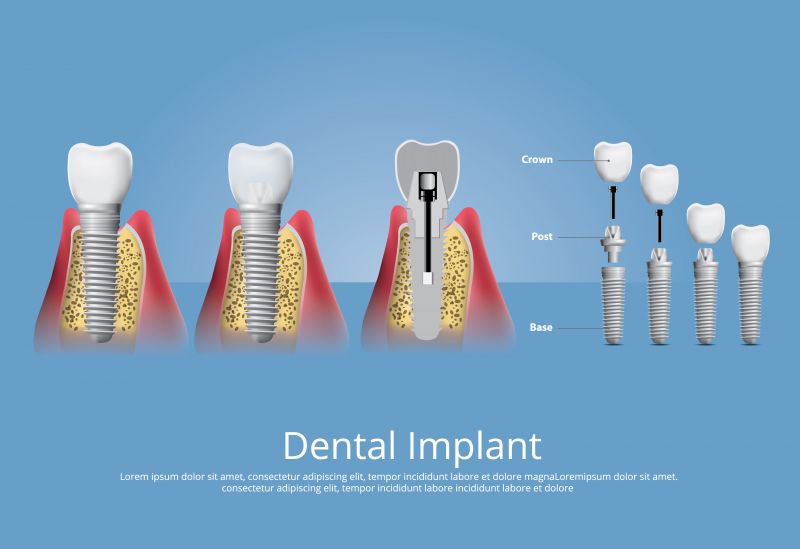
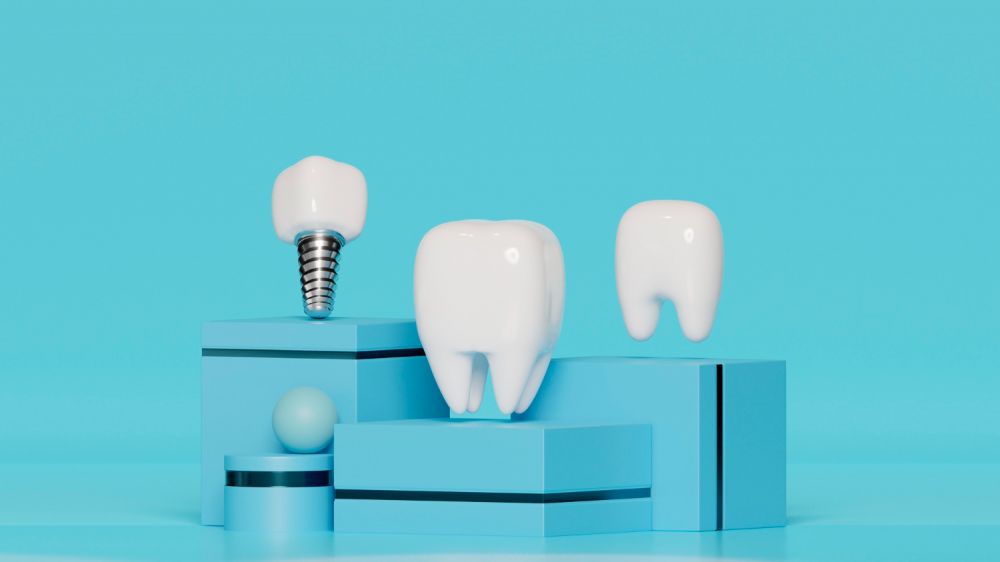
A dental implant is the closest thing to growing a tooth back. A small titanium post takes the place of the natural root, and a crown is fixed on top of it — so the tooth looks, feels, and works the way it did before. Implant treatment is the standard recommendation whenever a single tooth is lost, and it is just as reliable for replacing several teeth or restoring a fully edentulous jaw.
Why patients trust AP-Denta
in implant dentistry
to date
success rate*
*Long-term clinical data published by Straumann, 10-year follow-up.
We place Straumann implants exclusively, treating everything from a single missing tooth to full-arch reconstructions.
AP-Denta serves the whole Costa Blanca region. Most towns are within an hour's drive, and free parking is available right outside the clinic.
We welcome patients from:

Advantages of dental implants
For your teeth
- Neighbouring teeth are left untouched — no grinding them down to anchor a bridge
- Chewing function is restored almost to natural levels
- A natural-looking result, both up close and in photographs
- No removable denture to take out at night — or, where one is still needed, an implant-retained denture that no longer shifts or clicks
For your health
- Prevents neighbouring teeth from drifting into the gap
- Protects the jaw joint from the strain caused by missing teeth
- Preserves jawbone volume, which naturally shrinks after tooth loss
- Removes long-standing sources of oral infection that affect general health
Who performs the surgery, and how to prepare
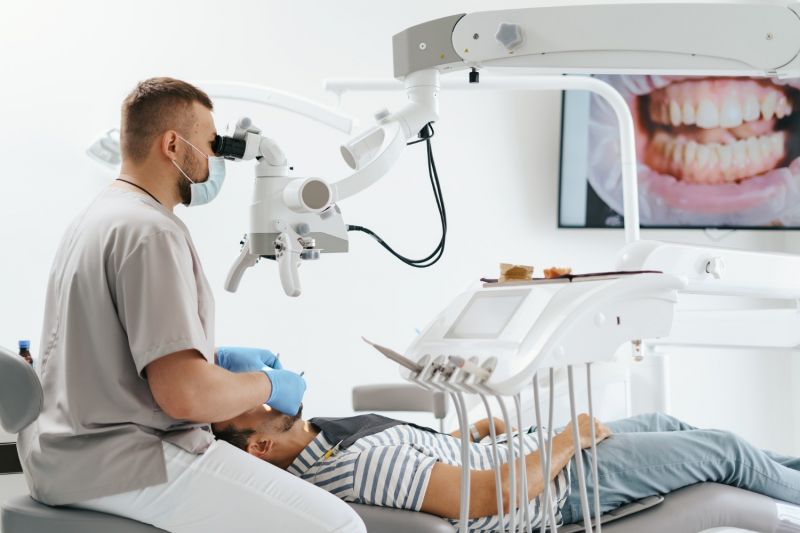
Implant placement itself is carried out by an oral surgeon and implantologist — but the result depends on the whole team around that one procedure.
- Restorative dentist / prosthodontist — assesses your bite, jaw joints, and facial proportions, and designs the overall treatment plan.
- Dental hygienist — clears away plaque and calculus before any surgical step.
- Oral surgeon — removes any teeth that cannot be saved and places the implant.
- Orthodontist — brought in only if neighbouring teeth have drifted and need realigning first.
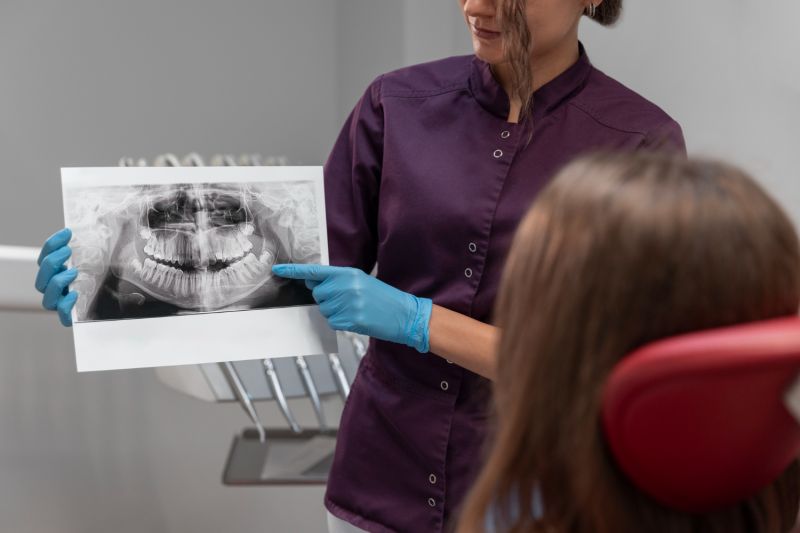
Treatment planning always starts with a CBCT scan (3D cone-beam imaging), which shows exactly how much bone is available and lets the surgeon plan the implant's position and size before ever picking up a drill. The better prepared your mouth is going in, the more predictable your healing will be.
When an implant is the right solution
- A single missing tooth
- Two or three missing teeth in a row
- A fully edentulous jaw (complete tooth loss)
- You simply don't want to wear a removable denture
When treatment should wait
Temporary (relative) contraindications — treated first, implant placed once resolved:
- Active gum inflammation, a cyst or granuloma at the site
- An active viral infection
- Pregnancy or breastfeeding
- Uncorrected bite problems
- Recent recovery period after a heart attack or stroke
- Insufficient bone volume (addressed with bone grafting first)
When implants aren't suitable
Absolute contraindications — conditions where implant surgery is not recommended:
- Uncontrolled autoimmune or immunopathological conditions
- Malignant tumours
- Active (open) tuberculosis
- Severe, unmanaged psychiatric illness
- Long-term bisphosphonate therapy
- Chronic alcoholism or drug dependency
None of this is a diagnosis you make yourself — your surgeon reviews your full medical history at the consultation and tells you exactly where you stand.
Turnkey implant methods we offer
Single-stage implantation Immediate loading
The implant is placed and fitted with a crown on the very same day. It suits cases with good, stable bone quality, and it means you're never without a visible tooth during healing. The permanent crown follows once the implant has fully integrated with the bone, usually within a few months.
All-on-4 Full arch
A complete, fixed set of teeth for an upper or lower jaw, supported on just four implants placed at calculated angles to make the most of existing bone — often without any need for bone grafting. A fixed provisional bridge can typically be attached the same day.
All-on-6 Full arch
The same principle as All-on-4, but with six implants distributing the load across the arch. It's the option of choice where bone density is lower or the bite carries extra force, giving a fixed full-arch restoration with an added margin of long-term stability.
Stages of treatment at our clinic
-
Diagnosis and planning
CBCT scan, a full oral examination, and a written treatment plan with a precise cost breakdown.
-
Preparing the mouth
Professional cleaning, treating any decay or gum disease, and removing teeth that can't be saved. Bone or soft-tissue grafting is carried out here if your scan shows it's needed.
-
Placing the implant
The titanium implant is inserted into the jawbone under local anaesthesia — a short, precise procedure with minimal discomfort.
-
Healing (osseointegration)
The bone fuses to the implant surface over several weeks to a few months, depending on the protocol chosen.
-
Fitting the crown or bridge
Impressions are taken, a temporary restoration is worn if needed, and your final crown, bridge, or implant-retained denture is fitted.
-
Ongoing care
Regular check-ups and professional cleaning keep the implant — and the gum around it — healthy for the long run.
Cost of dental implant treatment
The final price depends on several things worth asking about at your consultation: the implant brand, how many implants are needed, the crown material, and whether bone or soft-tissue grafting is required. At AP-Denta, impressions, healing abutments, and prosthetic abutments are always included in the quoted fee.
| Treatment | What's included | Price |
|---|---|---|
| Initial consultation (1 hour) | CBCT review, full examination, treatment plan | €30 |
| Single implant (Straumann) | Implant, healing abutment, prosthetic abutment | add price |
| Closed sinus lift | With grafting material | add price |
| Open sinus lift | With grafting material | add price |
| All-on-4, per jaw | 4 implants, fixed provisional bridge | add price |
| All-on-6, per jaw | 6 implants, fixed provisional bridge | add price |
| Zirconia crown | Per unit | add price |
Rows marked "add price" are placeholders — replace them with your current fees before this goes live. A precise, itemised plan is always given after your consultation.
Frequently asked questions
Does getting a dental implant hurt?
The procedure itself is done under local anaesthesia, so you shouldn't feel pain during placement. Mild soreness and swelling for a few days afterwards is normal and manageable with standard pain relief.
How long does the whole process take, from first visit to final tooth?
A single implant with immediate loading can be finished in one visit, with the permanent crown following a few months later. The traditional two-stage approach, or full-arch treatment, generally takes three to six months from placement to the final restoration, depending on healing time.
Am I too old for a dental implant?
There's no upper age limit — what matters is bone quality and general health, not age itself. Many patients in their seventies and eighties are treated successfully, once any medical conditions are reviewed at the consultation.
What if I don't have enough jawbone for an implant?
This is common after long-term tooth loss and is usually solved with a sinus lift or bone graft carried out before or alongside implant placement. Your CBCT scan shows straight away whether this step is needed.
Visit us
| Address | Torrevieja, Pasaje País Vasco, edificio 1, local 4 |
| Phone | +(34) 638 893 141 |
| +(34) 638 893 141 | |
| apdenta@gmail.com | |
| Hours | Monday–Friday, 10:00–20:00, by appointment |
We welcome patients from Torrevieja, La Mata, Elche, Alicante, Murcia, and across the Costa Blanca and Valencia region.
Call to book your consultation
Contact Information:
| Torrevieja, Pasaje Pais Vasco, edificio 1 local 4 | |
| +(34) 638 893 141 | |
| +(34) 638 893 141 | |
| apdenta@gmail.com | |
| Working hours: Mon - Fri: from 10:00 to 20:00 |