
Author: Marina Peterson, dentist at AP-Denta clinic, Torrevieja, Costa Blanca. Publication date: June 24, 2026.
Dental plaque is a biofilm in which bacteria (streptococci and other species), food debris, and saliva components form a sticky layer on the enamel. If not removed for 1–3 days, the plaque mineralizes with calcium salts from saliva and turns into tartar (calculus), which provokes caries and gingivitis. At home, only soft plaque can be removed — with a toothbrush, floss, and water flosser; hard tartar is removed by a dentist using AirFlow or ultrasound. In Spain, a basic professional cleaning (limpieza dental / profilaxis) costs approximately 40–80 €, while deeper treatment of gum pockets (curetaje) costs 60–250 € depending on the number of zones. It is recommended to have a cleaning every 6–12 months; at the AP-Denta clinic in Torrevieja, this can be done in one visit.
What is dental plaque and why is it dangerous
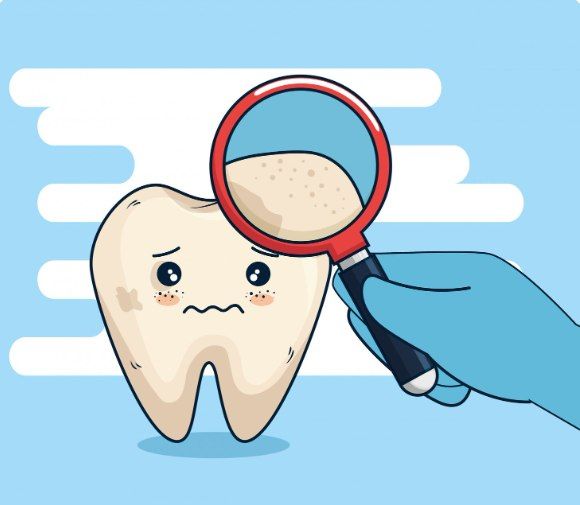
Dental plaque is not just a film, but a living biofilm: streptococci, lactobacilli, and other microorganisms attach to the enamel surface, feeding on food debris and saliva components. Bacteria produce acids that destroy enamel and can reach dentin, as well as toxins that provoke gum inflammation — gingivitis. If plaque is not removed within 24–48 hours, it begins to mineralize with calcium salts from saliva and turns into tartar — a hard deposit that can no longer be removed with a toothbrush.
Causes of plaque formation on teeth
The rate of plaque formation is influenced by several factors: incomplete or irregular hygiene, especially missing the area near the gum line and interdental spaces; a diet rich in sugar and soft food that does not load the teeth during chewing; smoking and frequent consumption of coffee, tea, and red wine; as well as the characteristics of saliva itself — its thickness and composition change with dehydration, endocrine disorders, or the use of certain medications. In patients with braces or dentures, plaque forms faster due to additional surfaces that are difficult to clean at home.
Soft plaque vs tartar: what is the difference
Soft plaque can be removed independently: it is pale yellow and easily removed with a toothbrush and floss. If it is not removed for 1–3 days, the bacterial biofilm mineralizes with calcium and phosphate salts from saliva and turns into tartar — a hard, dark yellow or brown deposit that firmly adheres near the gum line and in interdental spaces. Tartar mechanically injures the gum and maintains chronic inflammation, which is why it, rather than soft plaque, most often leads to periodontitis.
How to remove dental plaque
Home care
At home, you can only manage soft plaque. An electric or sonic toothbrush with a timer cleans the surface more effectively than a manual one; floss or interdental brushes remove plaque between teeth, and a water flosser removes it near the gum line and in pockets. Toothpastes with fluoride or xylitol additionally strengthen enamel and slow bacterial growth. In Torrevieja and throughout Spain, such products are sold in any Farmacia, as well as in supermarkets Mercadona, Carrefour, and Alcampo.
Professional cleaning at the dentist
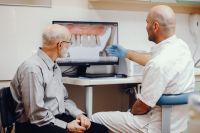
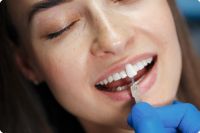
Tartar and plaque in hard-to-reach areas can only be removed by a dentist — using ultrasound or the AirFlow method (air, water, and mild abrasive), followed by polishing and enamel remineralization. Dentists recommend such cleaning every 6–12 months; smokers and coffee/tea drinkers — more often. If plaque has gone under the gum and periodontal pockets have formed, a deeper root treatment — curetaje — may be required.
Comparison of plaque removal methods
| Method | What it removes | How often needed | Price in Spain |
|---|---|---|---|
| Home hygiene (brush, floss, water flosser) | Only soft plaque | Daily | Cost of consumables, no visit to the doctor |
| AirFlow / ultrasonic cleaning | Soft plaque + supragingival tartar | Every 6–12 months | 40–80 € |
| Curetaje (deep root cleaning) | Tartar and plaque under the gum, periodontal pockets | As indicated by the doctor | 60–250 € per zone |
Prevention of plaque formation
To reduce the rate of plaque formation: brush your teeth for at least 2 minutes, paying attention to every surface and the gum line; use floss or a water flosser daily — the brush does not reach interdental spaces; limit sweets and sticky food between main meals; drink more water — this reduces saliva thickness and its ability to retain bacteria. Smokers and coffee/tea drinkers should shorten the interval between professional cleanings to 3–4 months.
Why patients in Torrevieja choose AP-Denta for teeth cleaning
At AP-Denta, professional cleaning, polishing, and curetaje if necessary are performed in one visit; consultations are conducted by Russian-, English-, and Spanish-speaking dentists, and Dr. Marina Peterson will select the cleaning method based on the specific patient's enamel and gum condition. This is organizational information about the clinic, not part of the medical recommendation above.
Questions and answers
Can tartar be removed at home?
No. Tartar is mineralized deposits firmly fused to the tooth surface. A toothbrush and toothpaste only remove soft plaque; tartar is removed with ultrasound or the AirFlow method in a dental office.
How long does the effect of professional cleaning last?
With regular home hygiene, the surface remains smooth and less susceptible to plaque for an average of 6–12 months. In smokers and coffee/tea drinkers, new pigmented plaque may appear within 2–3 months.
Is professional teeth cleaning painful?
Cleaning above the gum (AirFlow, ultrasound) is usually painless; slight enamel sensitivity may occur in the first 24 hours. Curetaje — root treatment under the gum — is performed with local anesthesia when necessary.
Does Spanish insurance cover teeth cleaning?
It depends on the specific policy — some insurers (e.g., Adeslas, Sanitas, Asisa) include basic cleaning in their dental package, while others charge separately. Check the terms of your insurance company or ask at the clinic reception before your visit.
What happens if dental plaque is never removed?
Plaque mineralizes into tartar, which maintains chronic gum inflammation. Without treatment, gingivitis can progress to periodontitis — a more serious damage to the tissues that hold the tooth, potentially leading to tooth mobility and loss.