

Immediate Load Dental Implants in Torrevieja
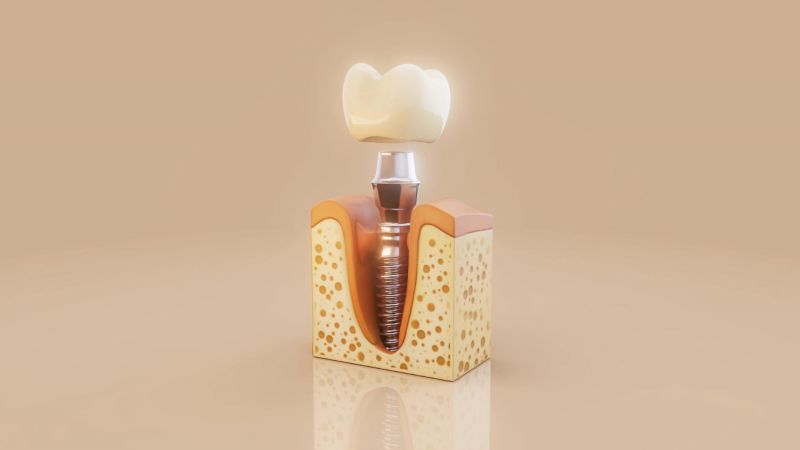
Immediate Load Implantation in Torrevieja, Alicante, Spain
Immediate load implantation (immediate load) represents a modern dental restoration protocol in which the artificial root and temporary crown are placed in a single clinical visit. Unlike the classical two-stage method, which requires waiting for osseointegration for 3–6 months, this approach allows the patient to leave the clinic with a fully functional tooth. The technology is based on achieving high primary stability of the implant through special thread design and site preparation methods. For successful immediate loading, primary stability must reach a minimum insertion torque of 30–45 Ncm or an ISQ value of at least 65–70. Implant systems with hydrophilic surfaces (Straumann SLActive®, OsseoSpeed™) reduce osseointegration time to 3–4 weeks.
Who is the procedure indicated for
The optimal age for the procedure is 22 to 65 years, when bone tissue is fully formed but has not yet undergone pronounced involutional changes. In patients over 65, the decision is made individually based on computed tomography data and general health status. In adolescents under 22, the procedure is not performed until the completion of maxillofacial skeletal growth.
Diagnosis and preoperative evaluation
The diagnostic stage includes mandatory cone beam computed tomography (CBCT) with 0.125–0.2 mm voxel size, allowing high-precision assessment of bone tissue density (optimal >850 HU for immediate loading), distance to the inferior alveolar canal and maxillary sinuses. Laboratory evaluation includes clinical blood analysis, coagulogram, glucose level, and inflammatory markers. All data are entered into 3D planning software, allowing virtual implant positioning with 0.1 mm precision. A 3D-printed surgical guide transfers the digital plan during surgery with absolute accuracy.
Complexity degrees and selection criteria
Mild degree includes cases of single defect in the frontal region with sufficient bone height and width (not less than 10 mm and 6 mm respectively) and absence of systemic diseases. Moderate complexity is diagnosed when replacing two or three consecutive teeth is necessary or with mild bone atrophy requiring the use of implants with aggressive thread design. High complexity includes complete edentulism with moderate atrophy, where all-on-4 or all-on-6 protocols are applied, or cases requiring sinus lift simultaneously with implant placement. Critically important selection criteria are: primary implant stability of not less than 35 Ncm, absence of bruxism, compensated diabetes mellitus (glycated hemoglobin level below 7%), absence of active stage oncological diseases and acute inflammatory processes in the oral cavity.
Types of immediate load protocols
In modern implantology, several immediate load implantation protocols are applied, the choice of which depends on the clinical situation. For single tooth restoration, the immediate single tooth protocol is used, where the implant is placed in the socket of the extracted tooth or in a prepared site, with subsequent fixation of a temporary crown. For partial defects, bridge protocols supported by two or three implants are applied. For complete edentulism, the gold standard is the all-on-4 and all-on-6 techniques, developed for maximum support with a minimum number of implants. Basal implantation is used in pronounced bone atrophy and allows fixing implants in deeper, cortical layers. Zygomatic implantation is applied in maxillary atrophy when standard implant length is insufficient. Each of the protocols requires the use of specific implant systems ensuring high primary stability: Swiss Straumann with SLActive® surface, Israeli Alpha Bio with double thread, Korean MIS with conical connection, or Portuguese Neodent with Acqua technology.
Advantages and comparative characteristics
Immediate load implantation has a number of undeniable advantages over delayed techniques. The main one is the reduction of total treatment time by 2–3 times and the absence of psychological discomfort associated with the presence of a gap or removable prosthesis. From a physiological perspective, early loading prevents bone tissue atrophy by maintaining mechanoreceptor stimulation. The aesthetic result is achieved through immediate formation of the gingival contour around the temporary crown, preventing subsequent recession. Comparison with two-stage implantation shows that when indications are followed, osseointegration rates do not differ and amount to 97–99% for premium systems. However, immediate load requires higher surgeon qualification and strict protocol adherence, including the use of implants with treated surfaces for accelerated osseointegration (SLActive®, OsseoSpeed™).
Preparation and preventive measures
Preparation for immediate load implantation includes not only medical but also behavioral aspects. 7–10 days before surgery, it is recommended to eliminate or minimize smoking, as nicotine causes capillary spasm and impairs microcirculation. 3–5 days before, professional hygiene with dental deposit removal and irrigation with antiseptic solutions is prescribed. On the day of surgery, a light breakfast and taking prescribed antibiotics one hour before the intervention are mandatory. Postoperative prevention includes strict hygiene adherence: brushing with a soft brush in the operated area, rinsing with chlorhexidine, exclusion of hard, hot, and spicy foods for 2–3 weeks. For patients with bruxism, an individual splint is fabricated to protect the temporary restoration. Smoking cessation is recommended for the entire osseointegration period (3–4 months), as smoking increases the risk of implant failure by 2–3 times.
Contraindications
Immediate load implantation is not suitable for all patients. Temporary contraindications requiring preliminary treatment include active periodontitis or untreated caries, uncontrolled diabetes with HbA1c above 7.5%, bruxism without a protective splint, heavy smoking (more than 10 cigarettes per day), immunosuppressive therapy, and radiotherapy to the head or neck region. Osteoporosis requires additional bone density diagnostics before proceeding. If you have any of these conditions, a thorough diagnostic evaluation is conducted, and alternative treatment protocols are offered.
Technical aspects and materials used
Modern implants are manufactured from medical titanium Grade 4 or Grade 5 (Ti-6Al-4V) with a hydrophilic surface treated by sandblasting and acid etching (SLA). This surface increases the bone-implant contact area and reduces osseointegration time to 3–4 weeks instead of the standard 3 months. Abutments can be titanium or zirconium dioxide, the latter being preferable in the frontal zone due to the absence of metal show-through. Temporary crowns are fabricated from PMMA (polymethyl methacrylate) by CAD/CAM milling, ensuring fit precision up to 10 microns. For permanent restorations, zirconia blocks or pressed ceramic (E-max) are used, offering high aesthetics and biocompatibility. At the Ap-denta clinic, we use systems with internal conical connection, eliminating microgaps and ensuring structural durability.
Warranty and quality standards
All implants placed at Ap-denta come with manufacturer's warranty. The warranty period depends on the chosen system: Straumann — 10 years, Alpha Bio — 7 years, MIS and Neodent — 5 years. The clinic provides an additional 12-month clinical warranty covering the restoration and standard maintenance visits. All implant systems have CE certification and are manufactured under ISO 13485 standards for medical devices. The clinic operates in accordance with the requirements of the Spanish General Council of Dentists, and all surgical protocols follow the recommendations of the European Association for Osseointegration.
Areas we serve
Our clinic is located in Torrevieja, Alicante province, on the Costa Blanca. We welcome patients from across the region, including: Torrevieja, La Zenia, Playa Flamenca, Cabo Roig, Orihuela Costa, Guardamar del Segura, Santa Pola, Elche, Alicante city, Benidorm, Altea, Calpe, Denia, and Cartagena (Murcia region).
We treat patients from across Europe and beyond. Our team speaks English, Spanish, Russian, Ukrainian, and Polish. We regularly welcome patients from the United Kingdom, Ireland, Germany, the Netherlands, Norway, Sweden, Denmark, Finland, France, Belgium, Switzerland, Poland, Ukraine, and other countries.
For international patients, we coordinate treatment to minimize the number of visits. Transfer from Alicante Airport (ALC) can be arranged — a 40-minute drive to the clinic. We also provide assistance with accommodation recommendations and treatment planning to fit your schedule.
Expert opinion
Dr. Alexander Peterson, Chief Implantologist at Ap-denta Clinic, Torrevieja, Member of the Spanish Society of Implants (SEI) and the European Association for Osseointegration (EAO).
With 15 years of practice and over 3,500 implants placed, I recommend immediate load implantation for properly selected patients—it reduces treatment time by 2–3 times while maintaining 97–99% success rates with premium systems. Do not delay consultation: bone atrophy begins within 6–12 months after tooth loss, and early intervention allows for minimally invasive protocols without additional bone grafting.
Contact Information:
| Torrevieja, Pasaje Pais Vasco, edificio 1 local 4 | |
| +(34) 638 893 141 | |
| +(34) 638 893 141 | |
| apdenta@gmail.com | |
| Working hours: Mon - Fri: from 10:00 to 20:00 |