

Bridges on implants in Torrevieja: reliable smile restoration at Ap-denta
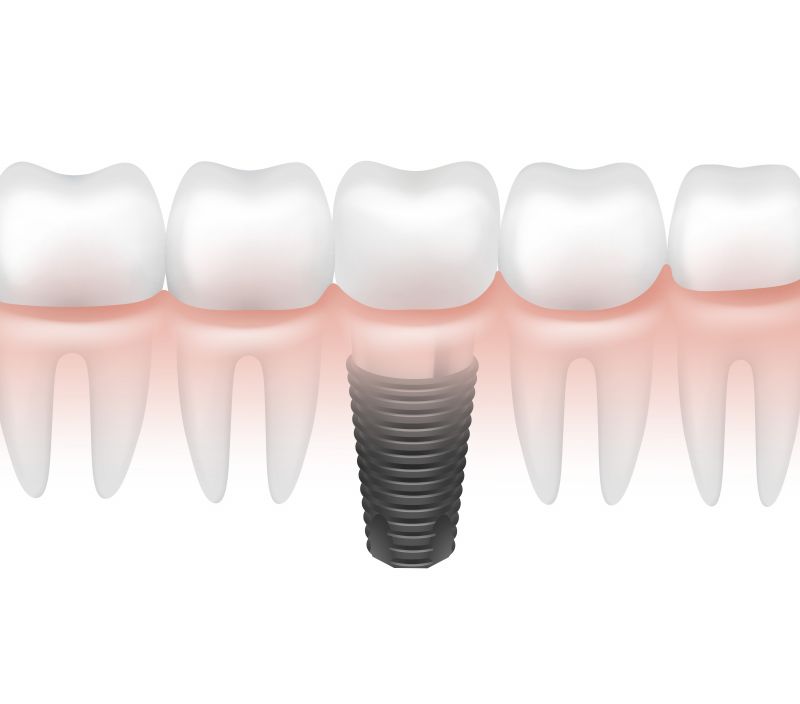
Bridges on implants in Torrevieja: a complete guide to dental restoration at Ap-denta
The loss of several teeth in a row is not only an aesthetic problem but also a risk of serious disorders in the dental system. Missing teeth lead to bone atrophy, displacement of adjacent teeth, and speech impairment. A bridge on implants is the modern "gold standard" of orthopedics, allowing you to restore your smile without the need to grind down healthy adjacent teeth. At the Ap-denta clinic (Torrevieja), we specialize in high-precision prosthetics, combining European quality standards with advanced digital implantation technologies.
Why is a bridge on implants superior to other methods?
The main reason for the popularity of this method lies in preserving the health of adjacent teeth. Traditional bridge prostheses often require devitalization (nerve removal) and grinding of teeth that could have lasted for decades. A bridge on implants rests on artificial titanium roots. Unlike removable dentures, which patients call "false jaws," a fixed structure on implants is completely immovable, does not require daily removal, and causes no discomfort while eating or speaking. You feel the structure like your own teeth.
Comparative table of materials: what to choose for a bridge?
The choice of material determines not only the price but also the service life and aesthetics. We have prepared a comparison so you can make an informed decision before the consultation:
|
|
|
|
|
|
|
|
|
|
|
|
|
|
|
|
|
|
|
|
For the chewing group of teeth, we recommend zirconium. It has phenomenal strength, does not cause allergic reactions, and, unlike metal-ceramic, does not leave a bluish contour at the gum margin after years. This is an investment in the long-term health of your entire dental system.
The prosthetic process: from diagnosis to fixation
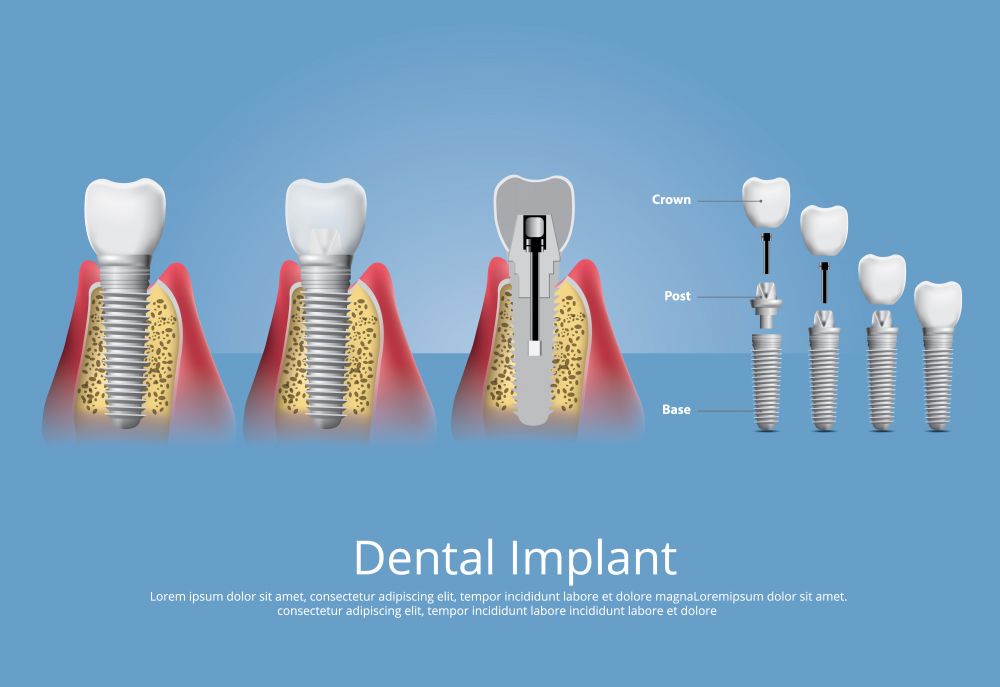
The process of placing a bridge on implants at Ap-denta is based on digital planning principles. The first stage involves CBCT diagnostics to assess bone volume. If there is insufficient bone, we perform bone grafting or sinus lifting. Next comes the surgical stage: implant placement. After placing the titanium posts, the osseointegration (healing) period begins, lasting 3 to 6 months. During this time, we create a temporary aesthetic prosthesis so you experience no discomfort while speaking.
At the final stage, after implant healing, a jaw scan is performed to create a digital model of your future bridge. Using intraoral scanners allows us to manufacture the structure with micron precision. The bridge can be fixed using a screw-retained or cement-retained base — the choice of method depends on the clinical picture and implant location. This approach guarantees an ideal fit of the structure, no gaps where bacteria could accumulate, and consequently, a long service life for the entire system.
Price and "turnkey": what does the cost consist of?
We adhere to transparent pricing. The "turnkey" cost includes: diagnostics, the implants themselves, gingiva formers, abutments, the surgeon's work, and the fabrication of the bridge structure in our laboratory. The cost varies depending on the chosen material (zirconium is more expensive than metal-ceramic due to the complexity of processing and material properties) and the number of required supports. You receive the final treatment plan at the first consultation, and this price remains unchanged until the work is completed.
Geography of trust: Ap-denta for patients from Europe
The Ap-denta clinic is located in Torrevieja, making us a center of dental care for the entire province of Alicante. We welcome patients from La Zenia, Playa Flamenca, Cabo Roig, Orihuela Costa, Guardamar del Segura, Santa Pola, Elche, Alicante, Benidorm, Altea, Calpe, Denia, and also from Cartagena (Murcia). We have become the "home" clinic for hundreds of expats from the United Kingdom, Germany, Ireland, the Netherlands, Sweden, Denmark, Belgium, and Switzerland. Our staff speaks five languages, guaranteeing no language barrier.
5 critical mistakes you should know about
The main enemy of a bridge's longevity is peri-implantitis (inflammation of tissues around the implant). To prevent it, avoid these 5 common mistakes:
-
Saving on the number of implants: a bridge that is too long on too few supports will lead to fracture of the entire system.
-
Ignoring the water flosser: a toothbrush does not clean the space under the bridge. Without a water flosser, the risk of inflammation increases by 70%.
-
Lack of professional hygiene: visiting a hygienist every 6 months is a mandatory condition for maintaining the warranty.
-
Trying to save on abutments: original components ensure the bridge does not loosen after a couple of years.
-
Smoking: nicotine causes capillary spasms, reducing blood supply to the gums. In the first months after surgery, smoking increases the risk of implant rejection.
Why do our patients choose Ap-denta?
We do not just place teeth, we restore quality of life. Our clinic uses protocols that minimize surgical trauma. Digital scanning replaces unpleasant impression materials, and the precision of bridge fabrication eliminates the need for frequent adjustments. We value every patient's time, so the logistics of your treatment are planned in advance, whether you are a local resident or a visitor who has come for implantation from Europe.
FAQ
-
How long does a bridge on implants last? With proper hygiene and regular professional cleanings, a zirconium bridge lasts 20 years or more.
-
Can I smoke with a bridge? Smoking negatively affects bone tissue. We recommend giving up the habit during the implant healing period.
-
How to care for a bridge? Daily brushing with a toothbrush, using a water flosser to clean under the bridge, and a dental visit every six months.
Ready to restore your perfect smile in Torrevieja?
Book a consultation at Ap-denta right now. Our doctors will perform a complete diagnosis and offer the best option for bridge prosthetics tailored specifically to you.
Contact Information:
| Torrevieja, Pasaje Pais Vasco, edificio 1 local 4 | |
| +(34) 638 893 141 | |
| +(34) 638 893 141 | |
| apdenta@gmail.com | |
| Working hours: Mon - Fri: from 10:00 to 20:00 |