

Correction of distal bite in Torrevieja
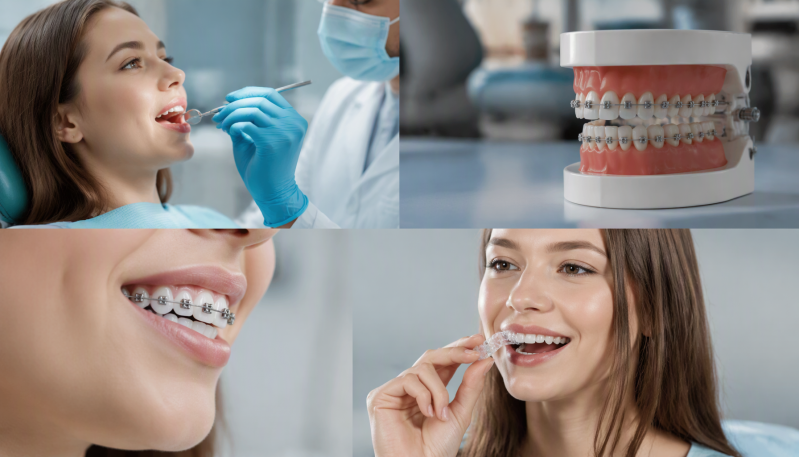
Correction of Distal Bite (Class II Malocclusion) in Torrevieja
A distal bite (Class II malocclusion) is a misalignment where the upper dental arch is positioned forward relative to the lower: either the upper jaw is overdeveloped, the lower jaw is underdeveloped or retruded, or a combination of both. There is no single fixed price for treatment — it depends on the patient's age and clinical complexity — but an initial consultation with diagnostics has a fixed fee of €30.
Why Patients Choose AP-Denta
in Torrevieja and Costa Blanca
to begin correction
between check-ups during treatment
AP-Denta is based in Torrevieja and treats patients from all across Costa Blanca and the Vega Baja region, including English-speaking residents who value clear, professional care in their native language.
We welcome patients from:
What is a distal bite (Class II)
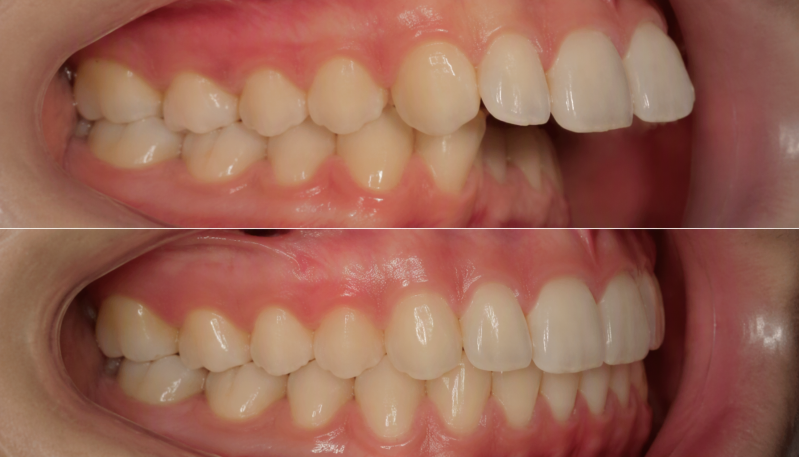
In a balanced bite (Class I), the upper and lower teeth meet in proper alignment. In a distal bite (Class II), the upper teeth do not achieve correct contact with the lower teeth because the upper arch sits too far forward: the facial profile frequently shows a receding chin, and the upper front teeth often flare outwards noticeably.
The cause may be skeletal — a skeletal Class II, where the upper jaw is overdeveloped or the lower jaw is underdeveloped or set too far back; dental — a dental Class II, where the upper incisors flare forward while jaw bone proportions are normal; or a combination of both. This distinction defines the treatment path and can only be confirmed after an in-person exam and X-ray analysis.
Within Class II malocclusion, orthodontists identify two main divisions based on incisor tilt: in Division 1, the upper front teeth flare prominently forward, often accompanied by an overjet and deep bite; in Division 2, the central upper incisors tilt inwards (palatally), while the lateral incisors or canines flare outward.
Who needs treatment
An untreated distal bite is not just an aesthetic issue: over time, it can lead to abnormal enamel wear, temporomandibular joint (TMJ) strain and pain, chewing difficulties, and occasionally speech impairments. That is why we recommend an orthodontic evaluation as soon as misalignment is spotted, regardless of age.
- Children aged 6–12 with a skeletal discrepancy: at this stage, the upper and lower jaw bones are still developing, allowing functional appliances to guide bone growth rather than merely repositioning teeth.
- Teens and adults without severe skeletal discrepancies: if jaw bone proportions are harmonious and the issue is mainly dental, treatment focuses on moving teeth into alignment using conventional orthodontics.
- Adults with significant jaw disproportion: once growth has finished, a severe discrepancy between the upper and lower jaws cannot be corrected with braces alone — the plan combines orthodontics with orthognathic surgery.
Treatment stages
Consultation and Clinical Examination
We examine how your teeth meet, discuss habits that might influence bite alignment — such as thumb sucking or mouth breathing — and assess whether the issue is primarily dental, skeletal, or mixed.
Imaging and Diagnostics
A panoramic X-ray and, when precise jaw measurements are needed, a lateral cephalometric radiograph with tracing, combined with bite evaluation using study models or 3D digital intraoral scanning.
Oral Health Preparation
Before fitting any appliance, we treat active tooth decay and perform professional dental hygiene, as inflamed gums can complicate both appliance placement and treatment progress.
Appliance Placement
Depending on the diagnosis: functional or orthopedic appliances in growing children, or braces and clear aligners in adolescents and adults.
Regular Follow-up Visits
Appointments every 4–8 weeks to adjust appliances and verify that the upper jaw, lower jaw, or teeth are tracking strictly according to plan.
Retention
Once active appliances are removed, retainers are fitted to safeguard against relapse. The retention period is generally comparable in duration to active treatment, and may be longer in complex cases.
Appliances and treatment tools
Correcting a distal bite requires specialized appliances designed specifically to adjust the intermaxillary relationship, rather than solely straightening individual teeth:
- Headgear (extraoral traction): anchored to the neck or head, it restrains excessive forward growth of the upper jaw when the issue originates there.
- Bionator: a removable functional appliance commonly used between ages 8 and 11 to stimulate forward growth of an underdeveloped lower jaw.
- Mandibular advancement appliances (such as Herbst): fixed mechanisms used towards the end of the growth period when removable appliances are no longer sufficient.
- Intermaxillary elastics: used alongside braces in teens and adults with balanced bones to guide upper teeth back and lower teeth forward.
- Braces and clear aligners: correct tooth alignment and inclination directly, sometimes alongside the extraction of upper premolars to create space for retracting front teeth.
- Orthognathic surgery: in adults with established, severe skeletal discrepancies, surgery is planned together with a maxillofacial surgeon and combined with orthodontic treatment.
Duration of treatment
Interceptive treatment in children using functional appliances typically lasts around one year, though each case is evaluated individually. Treatment with braces or aligners in adolescents and adults generally takes between one and two years, depending on case complexity and the appliance system used. When orthognathic surgery is required, the overall journey — pre-surgical orthodontics, surgery, and final orthodontic refinement — can extend beyond two years.
Is it painful? Pain management
Fitting braces, aligners, or functional appliances requires no anaesthesia and causes no pain. It is completely normal to feel mild pressure or discomfort for 2–3 days following adjustments while teeth or jaws adapt to the new forces; regular over-the-counter pain relievers manage this comfortably. The only stage that requires anaesthesia — general anaesthesia — is orthognathic surgery, which is reserved exclusively for the most severe skeletal cases in adults.
Why choose AP-Denta
- we identify the skeletal or dental nature of the issue via in-clinic X-rays before recommending any appliance
- transparent, written cost estimate after full examination — with no unexpected fees mid-treatment
- we treat growing children as well as adults; one continuous clinical team coordinates orthodontics and any supporting dental care
- 21+ years of clinical experience in Torrevieja and Costa Blanca, with consultations available in English, Spanish, and Russian
- free parking right in front of the clinic
We do not run temporary sales or generic discounts on orthodontic treatment, as each case is strictly unique — but our initial diagnostic fee is always clear and transparent: €30, regardless of the patient's age.
Cost of treatment
Distal bite correction does not carry a single fixed price tag: it depends on whether the origin is skeletal or dental, the age of the patient, the appliance type required, and whether surgical collaboration is necessary. For this reason, we avoid quoting misleading one-size-fits-all figures online.
The only fixed cost is the first consultation: €30 for a full hour with our orthodontist, including a detailed clinical examination and X-rays if needed. After the appointment, you receive a written estimate with no obligations before making your decision.
Frequently Asked Questions
At what age should a child see an orthodontist?
As soon as you notice that the upper teeth protrude forward, the chin looks receded, or habits like thumb-sucking and mouth-breathing are present. The earlier the issue is assessed, the greater the opportunity to guide jaw growth rather than solely moving teeth at an older age.
Is a distal bite the same as crooked or spaced teeth?
Not necessarily. A distal bite is a structural misalignment between the upper and lower jaws or dental arches; it can occur alongside crowding or gaps, but these are separate issues that sometimes require distinct orthodontic solutions.
Is surgery always required?
No. Orthognathic surgery is only considered in adults with significant, consolidated skeletal discrepancies. Most cases, especially when treatment begins in childhood or the cause is primarily dental, are successfully resolved with functional appliances, braces, or aligners.
Can a distal bite be corrected in adulthood?
Yes, although the clinical strategy changes: directing skeletal growth is no longer an option, so treatment focuses on repositioning teeth — sometimes with premolar extractions — or, in severe skeletal cases, combining orthodontics with surgery.
What happens if a distal bite is left untreated?
The misalignment will not resolve on its own and typically worsens with age, increasing the risk of premature enamel wear, TMJ strain, and persistent chewing or speech difficulties.
Wondering whether distal bite correction is right for you?
Bring your existing dental X-rays if you have them, or we can take them right here at the clinic: during the same visit, we will explain the root cause and advise on the most suitable treatment options.
Book an appointmentContact Information:
| Torrevieja, Pasaje Pais Vasco, edificio 1 local 4 | |
| +(34) 638 893 141 | |
| +(34) 638 893 141 | |
| apdenta@gmail.com | |
| Working hours: Mon - Fri: from 10:00 to 20:00 |