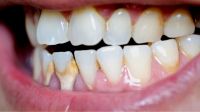


The Benefits of Healthy Teeth for Overall Health
Introduction: Why Teeth Are an Indicator of General Health
The oral cavity is a unique biological interface where local dental health directly interacts with the body's systemic processes. The presence of chronic infectious foci, such as periodontitis or untreated caries, creates a permanent antigenic load, which, according to contemporary research, is one of the modifiable risk factors for developing a range of systemic diseases. This interrelationship is particularly relevant in the Mediterranean climate, where high solar insolation and a specific diet can influence enamel mineralization and the composition of the oral microbiome. Understanding this connection is key to comprehensive prevention.
Biological Mechanism: From Gum Inflammation to Systemic Response
The primary pathogenic link is chronic inflammation. In periodontal diseases (gingivitis, periodontitis), pathogenic bacteria such as Porphyromonas gingivalis and their metabolites enter the systemic bloodstream through the ulcerated mucous membrane of periodontal pockets. This leads to the release of pro-inflammatory cytokines (IL-1, IL-6, TNF-α) and C-reactive protein. These mediators not only destroy the bone tissue surrounding the teeth but also negatively affect the vascular endothelium, promoting the development of atherosclerosis, and disrupt cellular sensitivity to insulin.
Cardiological Aspect: The Link Between Periodontitis and Heart Disease
Numerous cohort studies and meta-analyses, updated for 2026, confirm that patients with severe chronic periodontitis have a 20-30% increased risk of developing cardiovascular events: ischemic heart disease, myocardial infarction, and stroke. The mechanism of association includes direct endothelial damage by bacterial toxins, increased systemic inflammation, and possible activation of atherosclerotic plaques. Thus, maintaining periodontal health is an element of a cardioprotective strategy.
Endocrinological Interrelationship: Diabetes and Periodontium — A Vicious Cycle
The bidirectional relationship between type 2 diabetes mellitus (T2DM) and periodontitis is well-documented. Hyperglycemia worsens the state of gingival microcirculation and alters the immune response, making tissues more vulnerable to infection. In turn, active periodontitis, through the mechanism of chronic inflammation, increases insulin resistance and complicates the control of glycated hemoglobin (HbA1c) levels. Effective treatment of periodontitis in patients with T2DM can contribute to improved metabolic control.
Respiratory Risks and Quality of Life
The aspiration of pathogenic microflora from chronic infection foci in the oral cavity (deep periodontal pockets, carious cavities) is considered a risk factor for developing nosocomial pneumonia, especially in elderly patients and immunocompromised individuals. Furthermore, tooth loss and the associated chewing disorders lead to limitations in food choices, which can contribute to nutritional deficiencies and a general reduction in quality of life.
Psychosocial Effect and Neurocognitive Aspects
The aesthetic appearance of teeth and the absence of chronic pain directly influence psychoemotional state, self-esteem, and social activity. Emerging data are also investigating the potential link between chronic oral inflammation (especially associated with P. gingivalis) and neuroinflammatory processes characteristic of some neurodegenerative diseases. Although this area requires further research, maintaining oral health remains an important aspect of overall well-being.
Prevention as the Foundation: Modern 2026 Protocols
The key element is not treating the consequences but preventing them. Modern Spanish and European clinical guidelines (including protocols from SEPA — the Spanish Society of Periodontology) emphasize:
Individualized hygiene: Selecting brushing techniques (e.g., modified Bass method), interdental brushes, and irrigators based on periodontal status.
Regular monitoring: Visiting a dental hygienist at least 1-2 times a year for professional oral hygiene (professional mechanical plaque removal — PMPR) and assessment of indices (PSR, CPI).
Risk factor management: Dietary control (limiting free sugars), smoking cessation — one of the main modifiable risk factors for periodontitis.
Conclusion: An Integrative Approach to Health
Oral and dental health has ceased to be an isolated discipline. In 2026, it is recognized as an integral part of a person's overall health and the prevention of non-communicable diseases. Investing in high-quality dental prevention and timely treatment is an investment in longevity, quality of life, and reducing the risk of serious systemic pathologies. Collaboration between dentists, general practitioners, endocrinologists, and cardiologists is becoming the standard of patient care.