

Multiple Teeth Implants Procedure in Torrevieja, Alicante
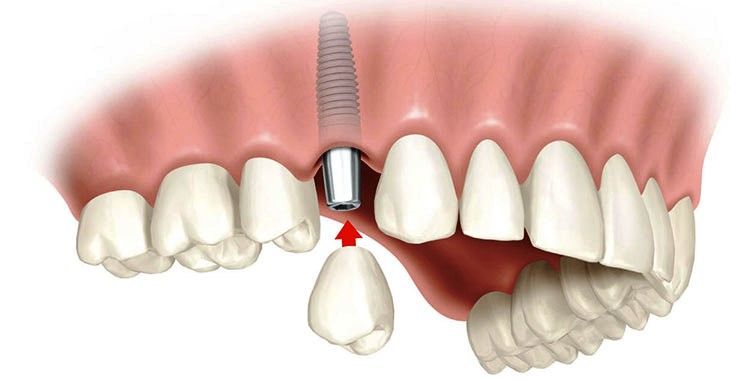
What is the Multiple Teeth Implants Procedure and Why is it the Gold Standard?
The multiple teeth implants procedure using a two-stage protocol represents the classic, most thoroughly researched, and reliable method for replacing missing teeth. Unlike same-day or immediate loading techniques, this approach is divided into two key phases over time: the surgical placement of the titanium implant fixture and the subsequent attachment of the prosthetic crown after complete healing. This method achieves maximum osseointegration—the biological process where the implant surface fuses with the surrounding jawbone. In the mild Mediterranean climate of Torrevieja, with high levels of sunshine and humidity, protecting the implants during the initial healing phase is paramount. The classic protocol ensures this protection by completely covering the implants under the gum tissue. This guarantees a stable, long-term result regardless of external factors or the patient's lifestyle.
Indications for Multiple Teeth Implants and Ideal Candidates
This procedure is indicated for a variety of clinical situations requiring reliable and durable tooth replacement. Main indications include single tooth gaps, multiple missing adjacent or non-adjacent teeth requiring multiple teeth implants, as well as complete edentulism (missing all teeth in one or both jaws). The classic two-stage approach is especially recommended for patients with a thin gingival biotype (gum tissue less than 2mm thick), as it allows for the creation of a beautiful, stable, and natural-looking gum contour around the final crowns. The method has no upper age limit, provided the patient's general health allows for minor surgical procedures. In Spain, where a significant portion of the coastal population consists of retirees and older adults, this protocol is often preferred due to its predictability and high implant survival rates (over 98% according to the European Association for Osseointegration data updated for 2026).
Diagnosis: From CBCT Scans to Digital 3D Planning
Successful treatment with multiple teeth implants begins with a comprehensive diagnostic workup. At the Ap-denta clinic in Torrevieja, we mandate a Cone Beam Computed Tomography (CBCT) scan to obtain a detailed three-dimensional image of the maxillofacial region. This allows us to precisely assess bone density, height, and width, and to identify critical anatomical structures: the exact location of the inferior alveolar nerve and the maxillary sinuses. Based on the CBCT data, we perform virtual 3D surgical planning and often fabricate custom surgical guides. This approach guarantees implant placement in the most biomechanically and aesthetically optimal position, minimizing surgical risks. We also conduct a full oral evaluation, including any necessary pretreatment (caries treatment, periodontal therapy) and professional cleaning to reduce the bacterial load before surgery.
The Preparatory Phase: Ensuring Optimal Conditions for Osseointegration
Not all patients can proceed directly to multiple teeth implants placement. If more than 4 months have passed since tooth extraction, bone tissue atrophy (resorption) is common. In such cases, a bone grafting procedure (osteoplasty) is required to restore adequate bone volume. In the upper jaw, near the maxillary sinuses, this may involve a sinus lift (either open or closed) using bone graft material. These are separate surgical procedures that require a healing period of 2 to 6 months. Only after complete tissue maturation and graft integration do we proceed to the first stage of implant surgery. This careful approach ensures high primary stability for your multiple teeth implants, a critical factor for successful osseointegration, especially under the functional forces of chewing.
Treatment Stages: The Step-by-Step Surgical Protocol
The first surgical stage for multiple teeth implants is performed under local anesthesia or, at the patient's request, under conscious sedation. The oral surgeon reflects a small flap of gum tissue, prepares precise osteotomy sites in the bone using a sequence of drills, and places the implant fixtures. Cover screws are placed on top to prevent tissue overgrowth, and the gum is sutured closed over the implants. This procedure typically takes 40-60 minutes depending on the number of implants. A mandatory healing period follows to allow for osseointegration: approximately 2-4 months for the lower jaw, and up to 6 months for the upper jaw. During this time, temporary removable partial dentures or fixed provisional bridges (supported by adjacent teeth) can be provided. These restorations do not place any load on the underlying implants and maintain smile aesthetics.
Second Stage: Healing Abutment Placement and Soft Tissue Management
Once osseointegration is confirmed for your multiple teeth implants, the second, less invasive surgical stage is performed. Under local anesthesia, the surgeon makes small incisions, removes the cover screws, and places healing abutments. These components extend through the gum tissue, guiding the soft tissues to heal and form smooth, dense, and natural-looking collars that will eventually surround the final dental crowns, mimicking healthy gingival sulci. The procedure takes about 15-30 minutes depending on the number of implants. Complete maturation of this aesthetic gum contour typically takes 10-14 days. This step is critically important for achieving an optimal cosmetic result, especially in the anterior smile zone, preventing issues like gum recession or discoloration around the final restorations.
Prosthetics: From the Final Abutment to Crown Placement
The final restorative phase for multiple teeth implants begins by replacing the healing abutments with permanent abutments—the connecting pieces that link the implants to the crowns. Once the abutments are torqued into place, highly precise impressions (digital or physical) are taken to fabricate the final restorations. We use high-quality materials that ensure superior aesthetics and biocompatibility. For single tooth replacement, we typically use zirconia or ceramic crowns. For multiple adjacent missing teeth requiring multiple teeth implants, we fabricate implant-supported fixed bridges or individual crowns. The final, custom-made restorations are securely placed approximately one week after taking the impressions. The patient leaves with fully restored chewing function and a natural, beautiful, and confident smile designed to last for decades with proper home care and regular check-ups.
Advantages and Disadvantages of the Classic Approach for Multiple Teeth Implants
The main advantage of the two-stage protocol for multiple teeth implants is its high predictability and minimal risk of early failure. Complete isolation of the implants from the oral environment and the absence of chewing forces during the healing phase virtually eliminate the risk of early-stage peri-implantitis or micromovement that could disrupt osseointegration. It is a versatile protocol suitable for most clinical situations and is compatible with all major implant systems, including premium brands like Straumann, as well as reliable systems like Alpha Bio, MIS, or Neodent. The main drawback is the overall treatment time (typically 4 to 8 months, or longer if bone grafting is needed) and the need for two separate minor surgical procedures. However, for patients who prioritize long-term reliability and predictable aesthetic outcomes with their multiple teeth implants, this time investment is well justified.
Post-Operative Care and Long-Term Recommendations
Following multiple teeth implants and crown placement, patients need to follow specific guidelines for long-term success. In the first few days after surgery, a soft food diet and gentle oral hygiene using prescribed antiseptic mouth rinses are recommended. Long-term care for multiple teeth implants is very similar to caring for natural teeth: regular brushing, flossing, using a water flosser, and attending regular professional check-ups and cleanings. At the Ap-denta clinic, we recommend professional maintenance visits at least once every 6 months to monitor gum health, check the stability of the restorations, and remove any plaque or tartar. Thanks to the mild climate and sunny environment of Torrevieja, post-surgical recovery is often comfortable, though we advise patients to avoid excessive sun exposure during the first week to minimize the risk of soft tissue swelling.
Contraindications for Multiple Teeth Implants Surgery
Despite its versatility, there are several contraindications for multiple teeth implants, which are typically classified as absolute or relative. Absolute contraindications include severe, uncontrolled systemic conditions: blood clotting disorders, active treatment for malignancies, severe autoimmune diseases, uncontrolled psychiatric conditions, or a very recent history of heart attack or stroke. Relative contraindications are conditions that can be managed or treated before proceeding: poorly controlled diabetes, acute gum disease (gingivitis, periodontitis), heavy smoking, pregnancy, and breastfeeding. In these cases, multiple teeth implants treatment is typically deferred until the condition is stabilized. It's important to note that factors like advanced age or well-managed osteoporosis are not strict contraindications but require careful preoperative assessment and treatment planning by an experienced implant team.
Contact Information:
| Torrevieja, Pasaje Pais Vasco, edificio 1 local 4 | |
| +(34) 638 893 141 | |
| +(34) 638 893 141 | |
| apdenta@gmail.com | |
| Working hours: Mon - Fri: from 10:00 to 20:00 |