

Delayed dental implantation in Torrevieja, Alicante
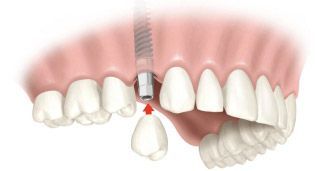
We perform delayed implantation in Torrevieja using the two-stage SEPA 2026 protocol. The method involves placing a titanium root into fully healed bone tissue. This is a classic approach with predictable outcomes and a high survival rate. At Ap-denta clinic we follow the standards of the Spanish Society of Implantology. Our address: Torrevieja, Alicante, Calle del Mar, 15. Phone for appointments: +34 123 456 789. The implant warranty is included as a separate clause in the contract. Book your CBCT scan and receive your treatment plan. The information on this page does not constitute medical advice; an in-person consultation with a doctor is required.
Delayed implantation and who it is for
Delayed implantation is a method of tooth replacement where the implant is placed into the bone several months after tooth extraction. The first stage is the surgical placement of the titanium root. The second stage is the attachment of the abutment and the permanent crown after complete osseointegration. Unlike immediate implantation, where the implant is placed directly into a fresh socket, the delayed protocol is used when the socket has fully healed and there is no active inflammation. The immediate method carries a higher risk of infection but requires less treatment time. The delayed method has a lower risk of complications but a longer overall treatment period. The method is suitable for men and women over 22 years of age with no absolute contraindications. Patients with stable diabetes may undergo surgery after consulting their physician. Smokers require more thorough preparation and extended postoperative monitoring. Our clinic was founded by Dr. Alexander Peterson, who personally handles complex implantology and prosthetics cases.
When delayed implantation is indicated
Delayed implantation is indicated when one or several consecutive teeth are missing and sufficient time has passed since the extraction. The method is also used in cases of complete edentulism when the entire dental arch needs to be restored. Surgeons choose this protocol if the patient has periodontal disease or if the implant diameter does not match the socket of the extracted tooth. Delayed implantation allows for osteoplasty — bone grafting — without additional risks. This is especially important for patients who come to the clinic many months or years after tooth loss, when the bone has already atrophied. At Ap-denta we use protocols approved by the Spanish Society of Implantology SEPA. The current SEPA 2026 recommendations confirm the effectiveness of the two-stage method for complex clinical cases. Dr. Alexander Peterson, founder of the clinic, has 15 years of experience in implantology, periodontics and aesthetic dentistry.
Stages of delayed implantation
Treatment consists of several stages separated in time. In the first surgical stage, under local anaesthesia, the surgeon prepares the bone bed and places the titanium implant. A screw cap is then screwed on and the wound is sutured. The osseointegration period begins — the healing of the artificial root into the bone. In the lower jaw this process takes three to four months; in the upper jaw up to six months due to lower bone density. The second stage is the placement of the gingiva former, which gives the soft tissues the correct shape for the future crown. The third stage is the attachment of the abutment, the connecting element between the implant and the crown. The fourth stage is prosthetics, i.e. the fabrication and placement of the permanent crown. The entire process from the first consultation to crown placement takes six to twelve months.
Advantages and disadvantages of the method
The main advantage of delayed implantation is its high predictability. The implant survival rate exceeds 95 percent. The surgeon can plan the operation precisely, perform osteoplasty if needed and achieve a watertight postoperative wound. The patient does not need to follow strict diets in the first days. The method is suitable for restoring any number of teeth — from a single tooth to a full arch. However, there are also disadvantages. The total treatment duration is six to twelve months, which can be psychologically challenging for some patients. While the wound heals, the alveolar ridge may atrophy, sometimes requiring additional bone or gum grafting. The cost of delayed implantation is higher than that of immediate implantation because it involves two surgical procedures. If you are unsure which method to choose, book a consultation with Dr. Alexander Peterson — he will assess your situation and offer the best option.
Contraindications for implantation
Before surgery, the patient undergoes a full diagnostic workup. Absolute contraindications include decompensated diabetes, oncological diseases without remission, active tuberculosis, HIV and AIDS in the decompensation phase, severe blood clotting disorders, and allergy to anaesthetics or implant materials. Relative contraindications are correctable: insufficient bone volume, periodontal disease, caries, bruxism, poor oral hygiene and smoking. Implantation is not performed on pregnant or breastfeeding women. Patients under 22 years of age have surgery postponed until facial skeletal growth is complete. If you have a pacemaker or already have implants in your body, additional assessment is required. Always inform your surgeon of all chronic diseases and medications you take — this affects the treatment plan and recovery period.
Preparation and diagnosis
Preparation for delayed implantation begins with cone beam computed tomography. The three-dimensional image allows the surgeon to assess bone density, the distance to the inferior alveolar canal and the maxillary sinuses. The patient undergoes blood tests: a full blood count, coagulation profile and glucose level. Oral sanitation is then performed: treatment of caries, pulpitis and periodontal diseases. A few days before surgery, professional hygiene and antiseptic rinses are prescribed. Only after full preparation does the surgeon approve the treatment plan and fix the cost in the contract. This approach minimises the risk of complications and ensures a high implant survival rate. At our clinic, all contracts are drawn up in Spanish and Russian for the convenience of patients. Dr. Alexander Peterson personally supervises every stage of surgical preparation.
Coverage areas in Torrevieja and Europe
Our clinic Ap-denta is located in Torrevieja, in the province of Alicante, on the Costa Blanca coast. We see patients from all over the region: from Torrevieja itself, La Zenia, Playa Flamenca, Cabo Roig, Orihuela Costa, Guardamar del Segura, Santa Pola, Elche, Alicante, Benidorm, Altea, Calpe, Denia, as well as from Cartagena in the neighbouring Murcia region. Thanks to its convenient location and good transport links, we are easily accessible from anywhere on the Costa Blanca and neighbouring provinces. In addition to patients from Spain, we regularly receive visitors from other European countries and around the world. Our team speaks English, Spanish, Russian, Ukrainian and Polish. Citizens of the United Kingdom, Ireland, Germany, the Netherlands, Norway, Sweden, Denmark, Finland, France, Belgium, Switzerland, Poland, Ukraine and other countries come to us for dental treatment and implants.
Contact Information:
| Torrevieja, Pasaje Pais Vasco, edificio 1 local 4 | |
| +(34) 638 893 141 | |
| +(34) 638 893 141 | |
| apdenta@gmail.com | |
| Working hours: Mon - Fri: from 10:00 to 20:00 |