

Bone Grafting Torrevieja
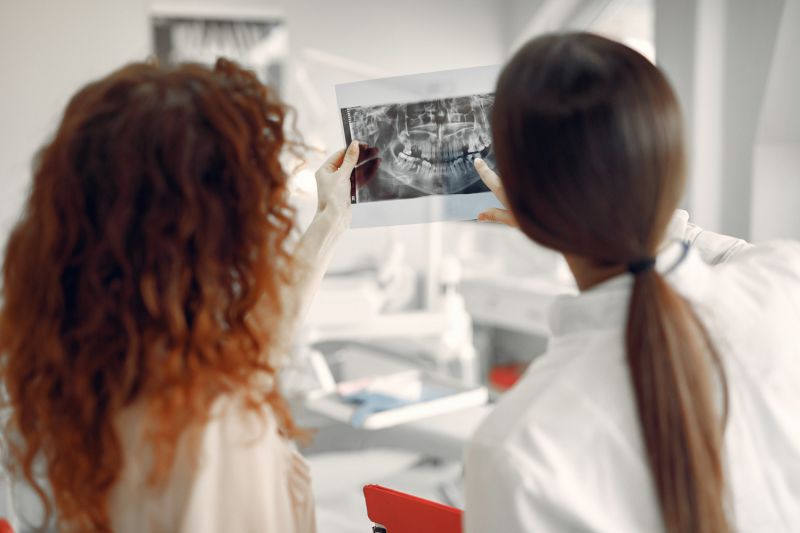
Dental Bone Grafting (Bone Regeneration) in Torrevieja
When there isn’t enough bone to anchor an implant securely, the fix is a bone graft: a procedure that rebuilds that volume before —or, in straightforward cases, during— implant placement. At AP-Denta, bone grafting costs €350 to €1,200, depending on case complexity, the material used and the technique required.
Why patients trust AP-Denta
in Torrevieja and the Costa Blanca
your own bone replaces the graft
before the implant goes in
AP-Denta is based in Torrevieja and treats patients from right across the Costa Blanca and the Vega Baja, many of them English-speaking residents who want to be treated in their own language.
We see patients from:

what a dental bone graft is
A dental bone graft (also called bone regeneration or osteoplasty) is a surgical procedure that adds new bone, or a bone substitute, to an area of the jaw where there isn’t enough volume or density. The goal is almost always the same: build a solid enough foundation for a dental implant to sit stably and permanently, without the risk of it sinking into soft tissue or failing outright. If the implant is placed into bone that lacks the height or width to withstand the forces of chewing, it won’t have the support it needs and will eventually fail —which is exactly why the graft comes first when it’s needed.
It isn’t a stand-alone procedure, but a step before —or, in small cases, alongside— the rest of your implant treatment: the grafted material works as a scaffold, and your own bone gradually replaces it as the site heals.
Jawbone is kept in shape by the load it takes from chewing. Once a tooth has been missing for a while, that part of the jaw stops working and the bone slowly resorbs; in the upper jaw this happens even faster, because the bone there is more porous to begin with. The sooner a missing tooth is replaced —ideally with an implant placed straight after extraction—, the less likely you are to ever need a graft at all.
when a bone graft is needed
We recommend considering a bone graft when there is:
- not enough bone height or width to safely anchor a dental implant
- bone loss from a tooth (or several) that has been missing for a long time
- a risk that neighbouring teeth will drift out of position for lack of bone support
- a traumatic or complicated extraction that damaged the bony wall of the socket
- the gap left behind after removing a large cyst or bone lesion
- a sinus floor that sits too low, too close to where the implant needs to go
- advanced gum disease that has already destroyed part of the supporting bone
- a congenital defect or malformation of the jaw
graft materials and techniques
The material used to fill the bone defect can come from different sources:
- Autograft: bone taken from the patient’s own body, usually from the chin, the jaw ramus or, in larger cases, the hip or skull. It integrates the best of any material, though it does mean a second surgical site and a little more recovery time.
- Allograft: processed, sterilised bone from a human donor bank, which removes any risk of rejection or disease transmission and avoids opening a second site on the patient.
- Xenograft: sterilised bone of animal origin —typically bovine—, which acts as a scaffold while the patient’s own bone gradually replaces it.
- Synthetic (alloplastic) material: a lab-made bone substitute, common for small deficits or mixed with the patient’s own particulate bone.
And depending on where —and how much— bone is missing, we choose a different technique:
- Guided bone regeneration (ridge augmentation): once a tooth has been missing a while, the alveolar ridge —the bony ridge that used to anchor it— starts to narrow and flatten. The graft material is packed onto the deficient area and covered with a biocompatible collagen membrane, which keeps fast-growing gum tissue out of the site so the slower-growing bone cells can repopulate it and rebuild a solid, wide foundation.
- Socket preservation: the best moment to manage bone loss is the moment the tooth comes out. An empty extraction socket can collapse inward by a significant amount within the first few months if left untouched. By packing the socket with graft material straight after extraction, we preserve the jaw’s natural shape and prepare the site for an implant later on.
- Sinus lift: when the floor of the sinus is too low for an implant in the upper back jaw, the membrane lining the sinus is carefully lifted and bone is placed in the space created. It can be done through the lateral wall (open) or through the implant site itself (closed), depending on how much height is missing.
- Block or “on-lay” grafting: a block of bone —the patient’s own or from a donor— is fixed with small screws onto the area that needs more width or height, usually taken from the jaw ramus or the chin.
- Major reconstruction: reserved for very extensive loss, using tissue taken from the hip or skull under general anaesthetic; the implant is placed separately, several months later.
With small deficits, the graft and the implant can go in during the same visit. When bone loss is greater, it’s safer to graft first, let the bone mature, and place the implant afterwards.
the stages of the procedure
Assessment and imaging
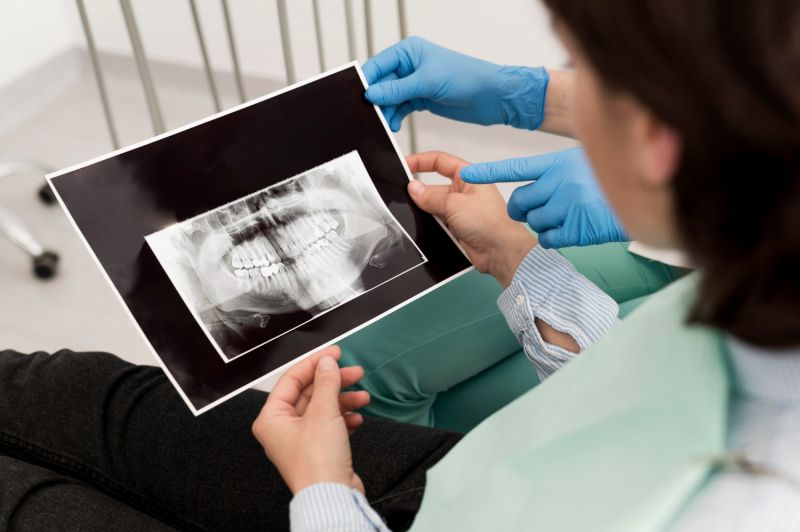
A radiograph or 3D CT scan to measure exactly how much bone is present and where it’s lacking —and, in the lower jaw, to map the path of the inferior alveolar nerve before planning anything—, so we can choose the right technique and material for your case.
Pre-surgical preparation
Before surgery, any active decay or gum inflammation is treated and we carry out professional dental hygiene, because an active infection would compromise how well the graft takes.
Anaesthesia
Local anaesthesia for most cases; for larger interventions, with sedation for added comfort. Major reconstruction with hip or skull bone, which is uncommon, requires general anaesthetic.
Graft placement
A small flap of gum tissue is raised, the chosen material is placed into the defect and, where the technique calls for it, protected with a resorbable collagen membrane. The implant is fitted in the same session if the deficit is small.
Sutures and follow-up
The gum is closed with sutures, and we schedule regular check-ups to track how the bone is maturing until it’s ready for the implant, if one wasn’t placed already.
our team
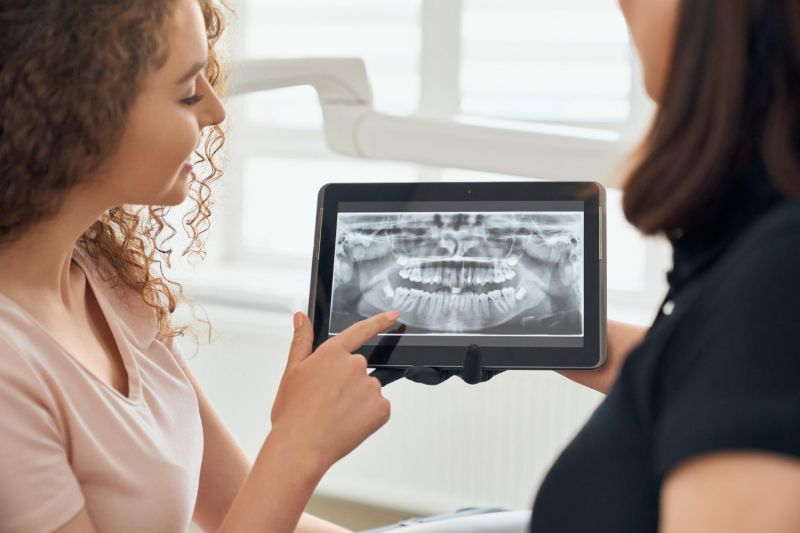
Bone grafts are carried out by our oral surgery team, trained specifically in implantology and bone regeneration, always working alongside the dentist planning your implant or final restoration, so both stages of treatment stay coordinated from day one.
when it’s contraindicated
Before any graft, we carry out a general medical review, because certain conditions mean postponing or ruling out surgery:
- active cancer or ongoing chemotherapy
- poorly controlled diabetes
- osteomyelitis or other active bone infection
- severe, uncontrolled immunodeficiency
- bleeding disorders, or anticoagulant treatment not first reviewed with your doctor
- serious cardiovascular or neurological disease, or a recent heart attack or stroke (within the last six months)
- pregnancy or breastfeeding, unless there’s a genuine emergency
- active decay or untreated gum disease in the area to be treated
- any condition that would prevent you from following aftercare instructions properly
In many of these cases it isn’t a flat “no”, just a matter of waiting until the condition is controlled or treated before operating safely.
recovery and possible complications
Grafted material is gradually replaced by your own bone at a rate of roughly a millimetre a month, so full maturation typically takes four to six months depending on the technique used. Some swelling and discomfort in the first few days is normal and usually settles by the third or fourth day.
- no rinsing on the first day; from the second day, gentle antiseptic rinses as instructed
- avoid very cold, very hot or hard food and drink near the site for the first week
- keep up good hygiene elsewhere in the mouth without touching the operated area directly
- avoid strenuous physical exercise for the first few days
- if an open sinus lift was performed, avoid flying for two to three weeks because of the pressure changes
- don’t smoke while healing, as it slows down how well the graft integrates
Complications are uncommon when aftercare instructions are followed: the most frequent is partial exposure of the membrane, usually managed with more frequent check-ups. Less often, a local infection can develop, the sinus can become inflamed if that area was treated, or the graft may not integrate fully and need repeating. If swelling increases rather than settles after several days, or you notice visible white granular material, contact us straight away.
case examples
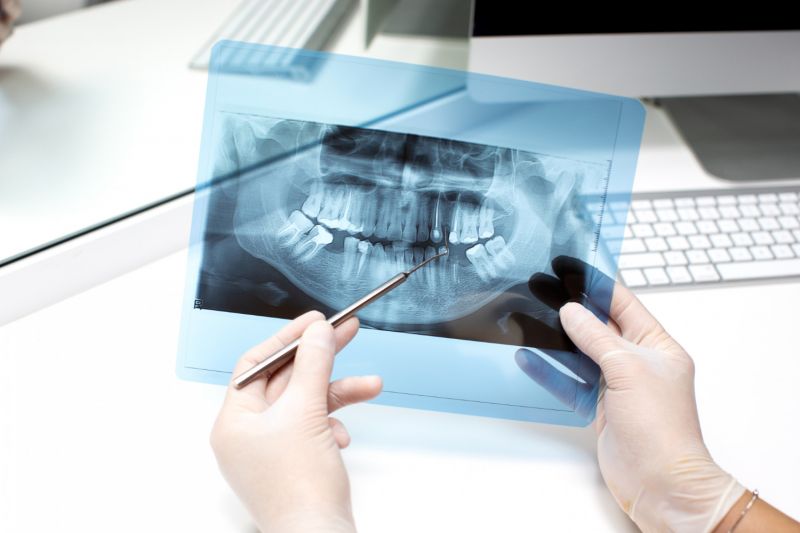
We’ll be adding real bone graft and implant cases treated at our clinic here soon, with patients’ consent. If you’d like to see examples now, come in for a consultation and we’ll show you cases similar to yours.
why choose ap-denta
- we diagnose with radiographs or 3D CT scanning in-house, with no referral to an outside centre to find out how much bone you actually have
- we always choose the least invasive technique that resolves your case, and explain it with a written estimate before any surgery —no surprises afterwards
- certified materials —resorbable membranes and bone substitutes from reputable implantology brands—, never unverified generics
- 21+ years of experience in Torrevieja and the Costa Blanca, with service in both English and Spanish
- free parking right outside the clinic
bone graft cost
Bone grafting at AP-Denta costs €350 to €1,200. The difference comes down to three things: the technique required (a small amount of synthetic material is a different job from a sinus lift or a major reconstruction), the type of material used (synthetic, donor or your own bone) and the overall complexity of your case. You get the exact estimate in writing after your assessment with a radiograph or CT scan, before anything is decided.
frequently asked questions
Is bone grafting painful?
No. The whole procedure is carried out under local anaesthesia, which blocks the area completely. You may feel pressure or the flow of irrigation fluid, which is normal, but not sharp pain. We work at your pace throughout.
Can I get an implant without a bone graft first?
It depends how much bone you have. With a minimal deficit, the implant can sometimes be placed directly, or together with a small graft in the same visit. With a significant shortfall, an implant without a prior graft wouldn’t be properly anchored and would be far more likely to fail.
Why does jawbone shrink or resorb in the first place?
Mainly from losing the chewing load after a tooth is lost, from advanced gum disease, or simply from the healing process after an extraction if the tooth isn’t replaced in good time.
What does recovery actually feel like?
Most patients have three to seven days of mild swelling, some bruising and a dull ache around the cheek or jaw —all a normal part of healing. Pain that is severe or getting worse over time isn’t normal and should be checked.
How long do I wait between the graft and the implant or restoration?
Usually four to six months, depending on the technique and the amount of bone grafted. With small deficits, graft and implant can sometimes go in on the same day.
Need a bone graft before your implant?
Bring your radiograph if you already have one, or we can take it here: we’ll tell you exactly how much bone you have and which option suits you, at the same visit.
Book an appointment

Contact Information:
| Torrevieja, Pasaje Pais Vasco, edificio 1 local 4 | |
| +(34) 638 893 141 | |
| +(34) 638 893 141 | |
| apdenta@gmail.com | |
| Working hours: Mon - Fri: from 10:00 to 20:00 |